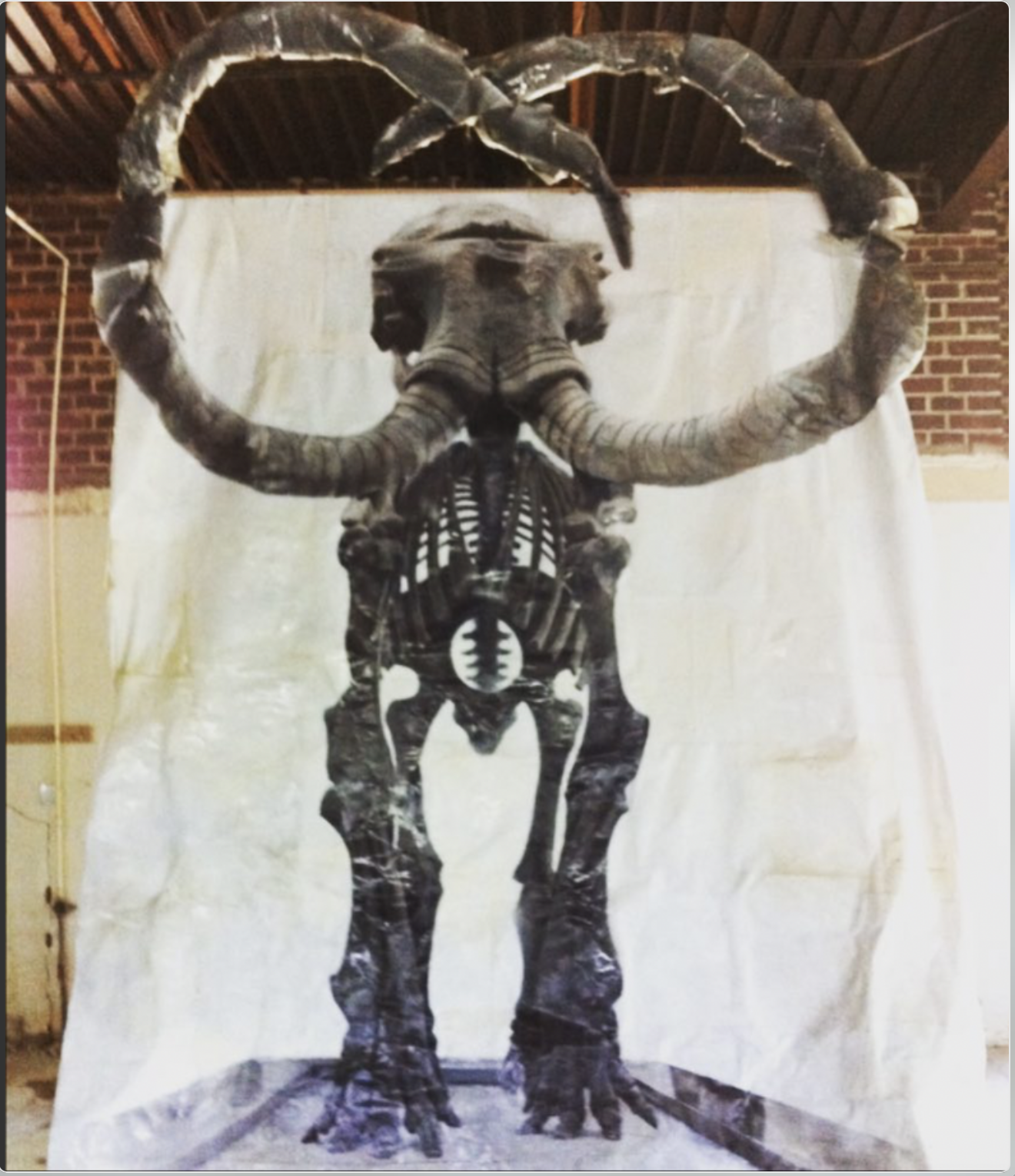
-
The notion that photography is completely dependent upon what appears before the camera by chance—a position held by many 19th-century critics—is thrown into serious doubt by the sheer nature of composite photography.
By Robert A. Sobieszek
Composite Imagery and the Origins of Photomontage, Part 1: The Naturalistic Strain ArtForum, 1973
-
The fault is not in the materials but in the lack of skill or courage of the photographer.
By Robert A. Sobieszek
Composite Imagery and the Origins of Photomontage, Part 1: The Naturalistic Strain ArtForum, 1973
-
The fault is not in the materials but in the lack of skill or courage of the photographer. The process by which a truly skillful picture-maker could create such elaborate compositions was combination printing, or composite photography.
COMPOSITE IMAGERY AND THE ORIGINS OF PHOTOMONTAGE, PART I: THE NATURALISTIC STRAIN (Art Forum, 1973)
By Robert A. Sobieszek
-
To show the plasticity of photography, . . . and to prove that you are not, by my way of proceeding, confined to one plane, but may place figures and objects at any distances, as clear and distinct as they relatively ought to be.
Rejlander
COMPOSITE IMAGERY AND THE ORIGINS OF PHOTOMONTAGE, PART I: THE NATURALISTIC STRAIN (Art Forum, 1973)
By Robert A. Sobieszek
-
Basically, photomontage is the fabrication of a composite but single image made up of a number of distinct photographic parts. It “results from the association of photographic elements, which have diverse origins, natures and proportions, combined in such a way as to express with force a particular idea.”6
COMPOSITE IMAGERY AND THE ORIGINS OF PHOTOMONTAGE, PART I: THE NATURALISTIC STRAIN (Art Forum, 1973)
By Robert A. Sobieszek
-
A photographer, like all artists, is at liberty to employ what means he thinks necessary to carry out his ideas. If a picture cannot be produced by one negative, let him have two or ten; but let it be clearly understood, that these are only means to the end, and that the picture when finished must stand or fall entirely by the effects produced, and not by the means employed. 8
COMPOSITE IMAGERY AND THE ORIGINS OF PHOTOMONTAGE, PART I: THE NATURALISTIC STRAIN (Art Forum, 1973)
By Robert A. Sobieszek
-
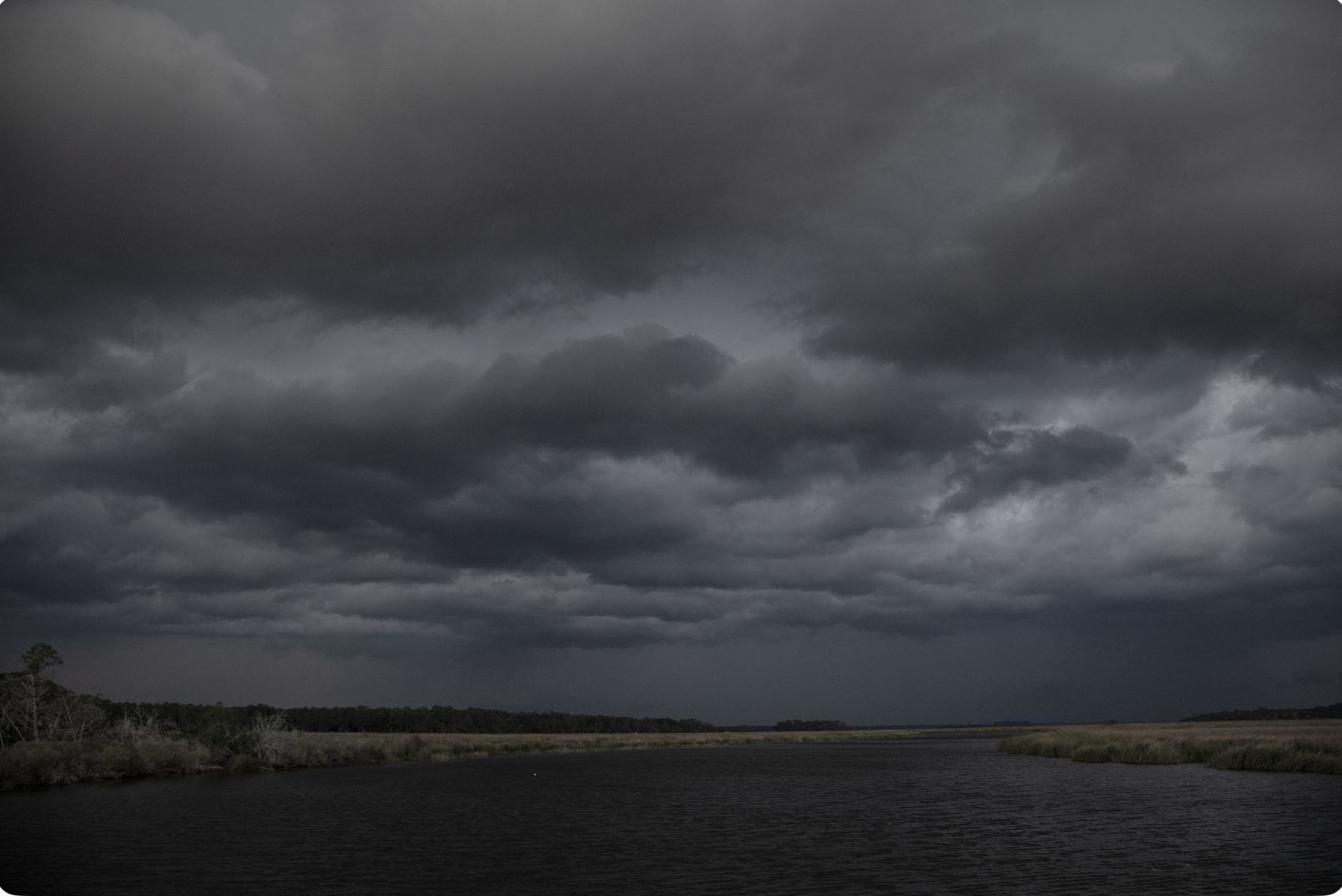
there are references to Hippolyte Bayard’s method, as early as 1851, in Paris, of double-printing clouds into an otherwise blank sky, to a German composite photograph made in 1854, and to well-known double-printed sky- and sea-scapes by Gustave LeGray, made in the middle 1850s.24
COMPOSITE IMAGERY AND THE ORIGINS OF PHOTOMONTAGE, PART I: THE NATURALISTIC STRAIN (Art Forum, 1973)
By Robert A. Sobieszek
-
Nearly every landscape photographer during the 19th century used this method at one time or another, including such “straight” photographers as Eadweard Muybridge and Peter Henry Emerson.
COMPOSITE IMAGERY AND THE ORIGINS OF PHOTOMONTAGE, PART I: THE NATURALISTIC STRAIN (Art Forum, 1973)
By Robert A. Sobieszek
-
But the scope of photography is wider than those who have only taken a simple portrait or landscape suppose. It is almost impossible to design a group that could not have been reproduced from life by the means our art places at our disposal. We do not mean to assert that such subjects as Michael Angelo’s Last Judgment, or Raphael’s Transfiguration, for instance, have ever been done in photography; but it is not so much the fault of the art, as of the artists, that very elaborate pictures have not been successfully attempted. (31)
COMPOSITE IMAGERY AND THE ORIGINS OF PHOTOMONTAGE, PART I: THE NATURALISTIC STRAIN (Art Forum, 1973)
By Robert A. Sobieszek
-
TECHNOLOGY and ART, a new Renaissance in contemporary culture; driven by the Internet and emerging technologies. An evolutionary shift toward bits and pixels as our primary modes of communication, in the future it will be the ability to see, not to manipulate abstract symbols, that will matter most. Science has returned to art.
Todd Murphy, 1999
-
We do not mean to assert that such subjects as Michael Angelo’s Last Judgment, or Raphael’s Transfiguration, for instance, have ever been done in photography; but it is not so much the fault of the art, as of the artists, that very elaborate pictures have not been successfully attempted.
By Robert A. Sobieszek
Composite Imagery and the Origins of Photomontage, Part 1: The Naturalistic Strain ArtForum, 1973
-
Ultimately, what distinguishes Murphy from most of his American contemporaries is his commitment to the human- not the American—condition.
Bradford R. Collins
Todd Murphy's Heroic Subjectivism
McKissick Museum Catalog, Columbia, SC, January 13, 1991
-
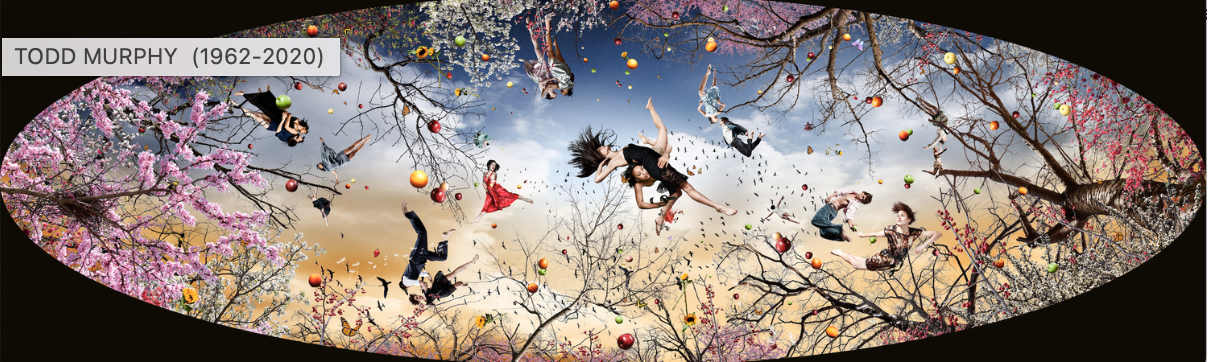
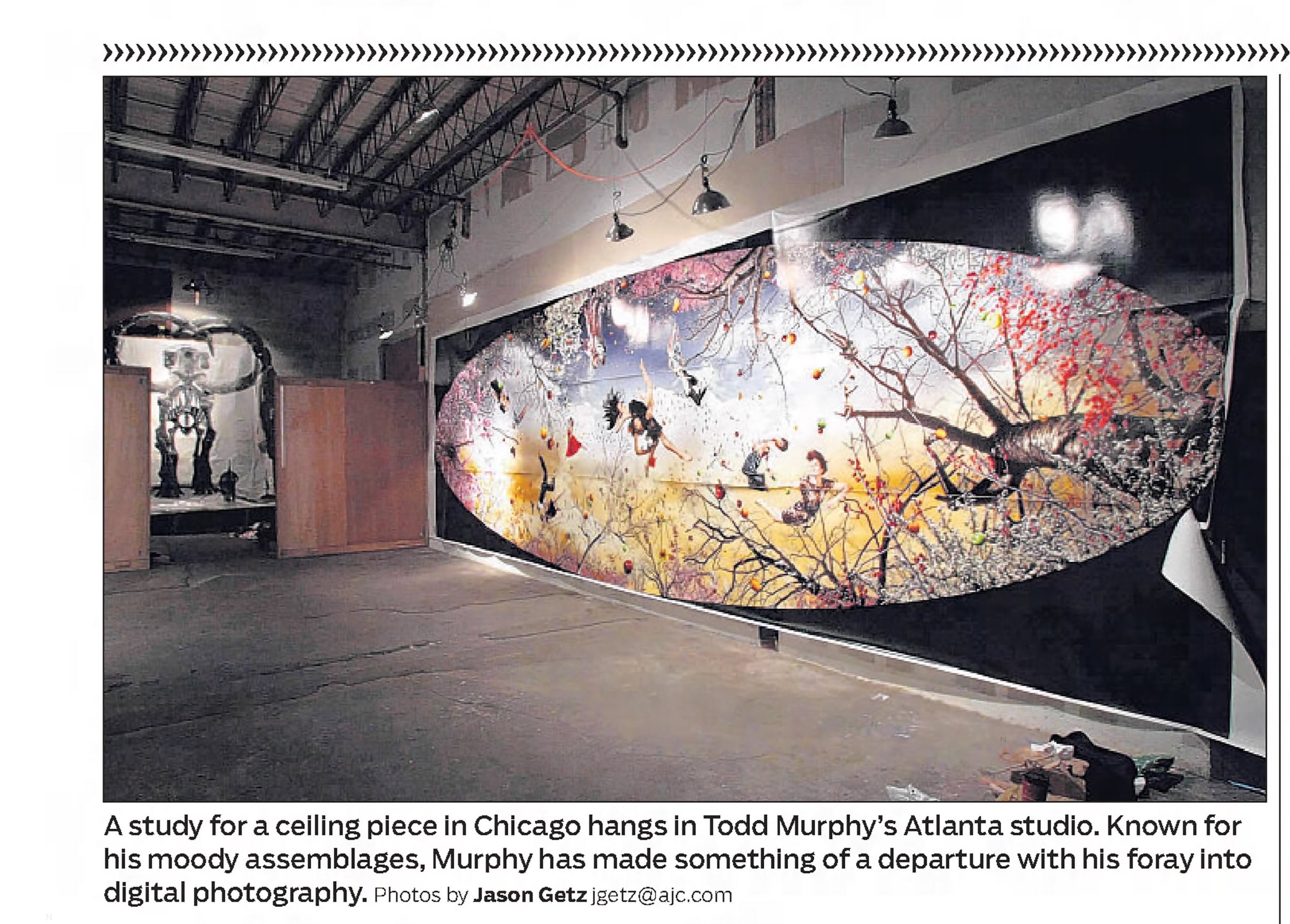
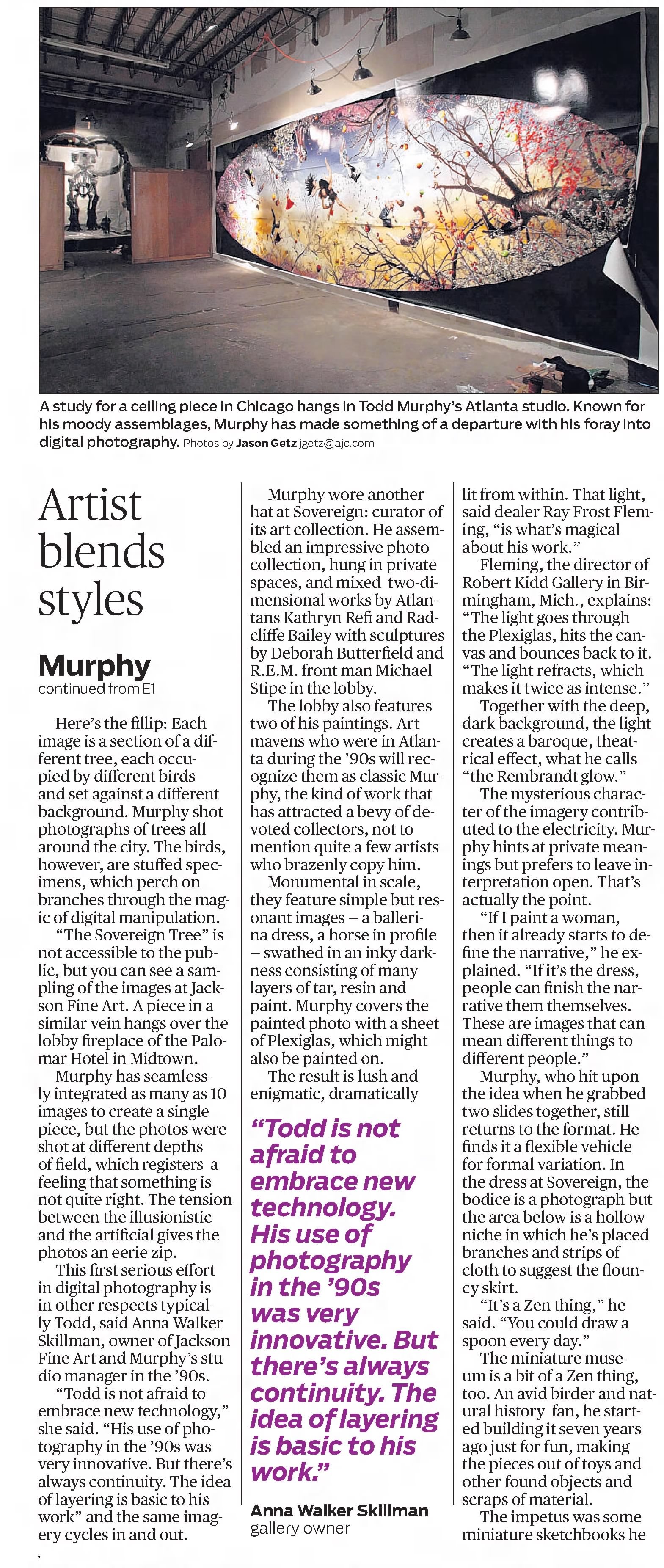
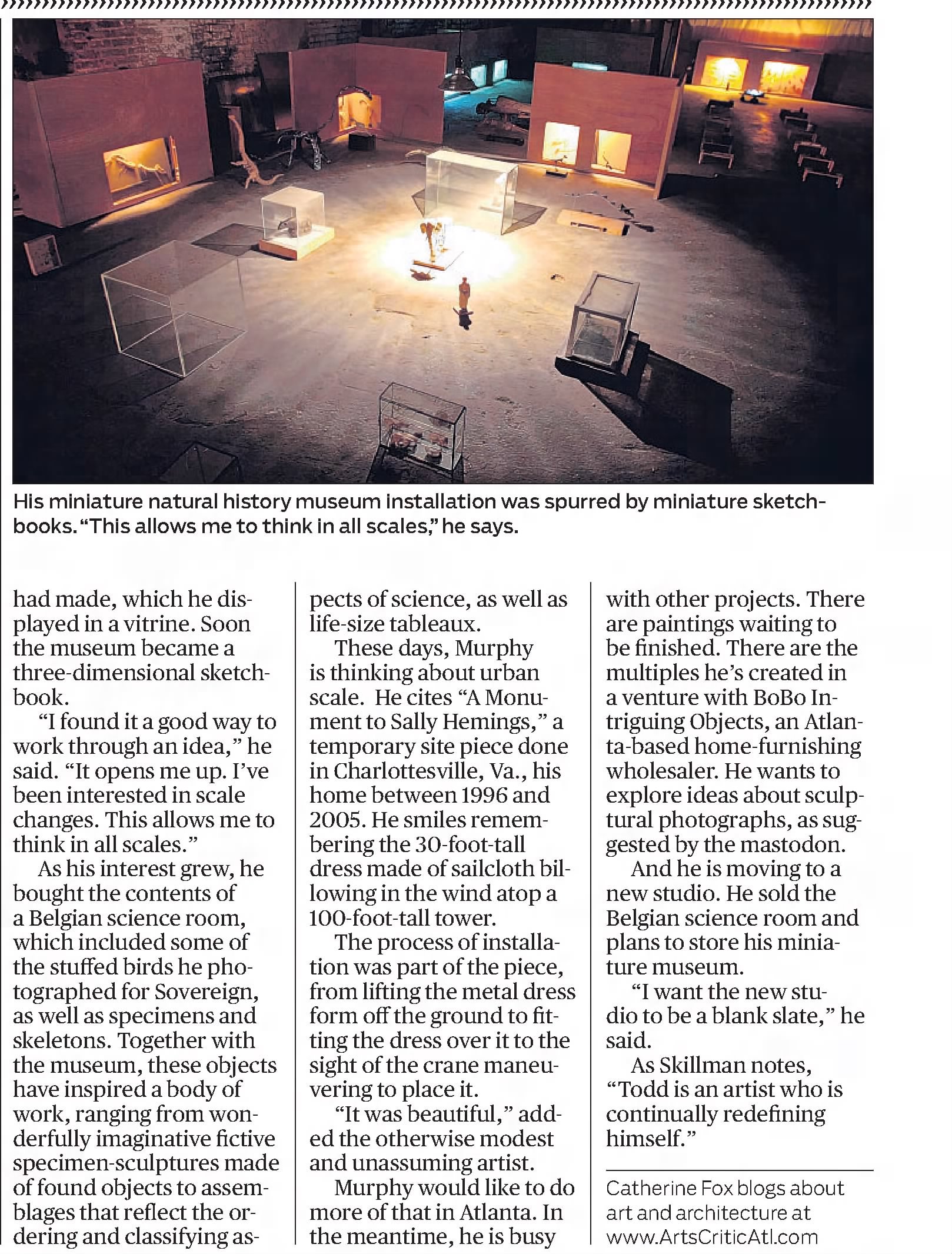
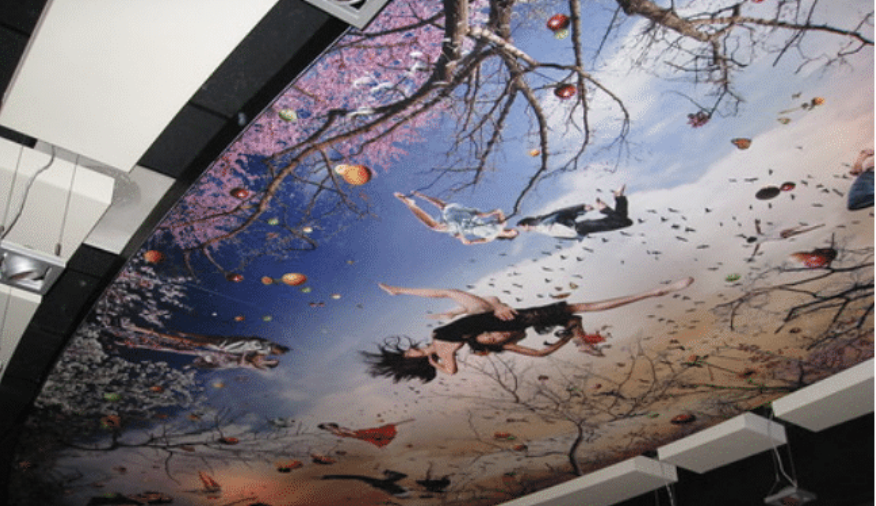
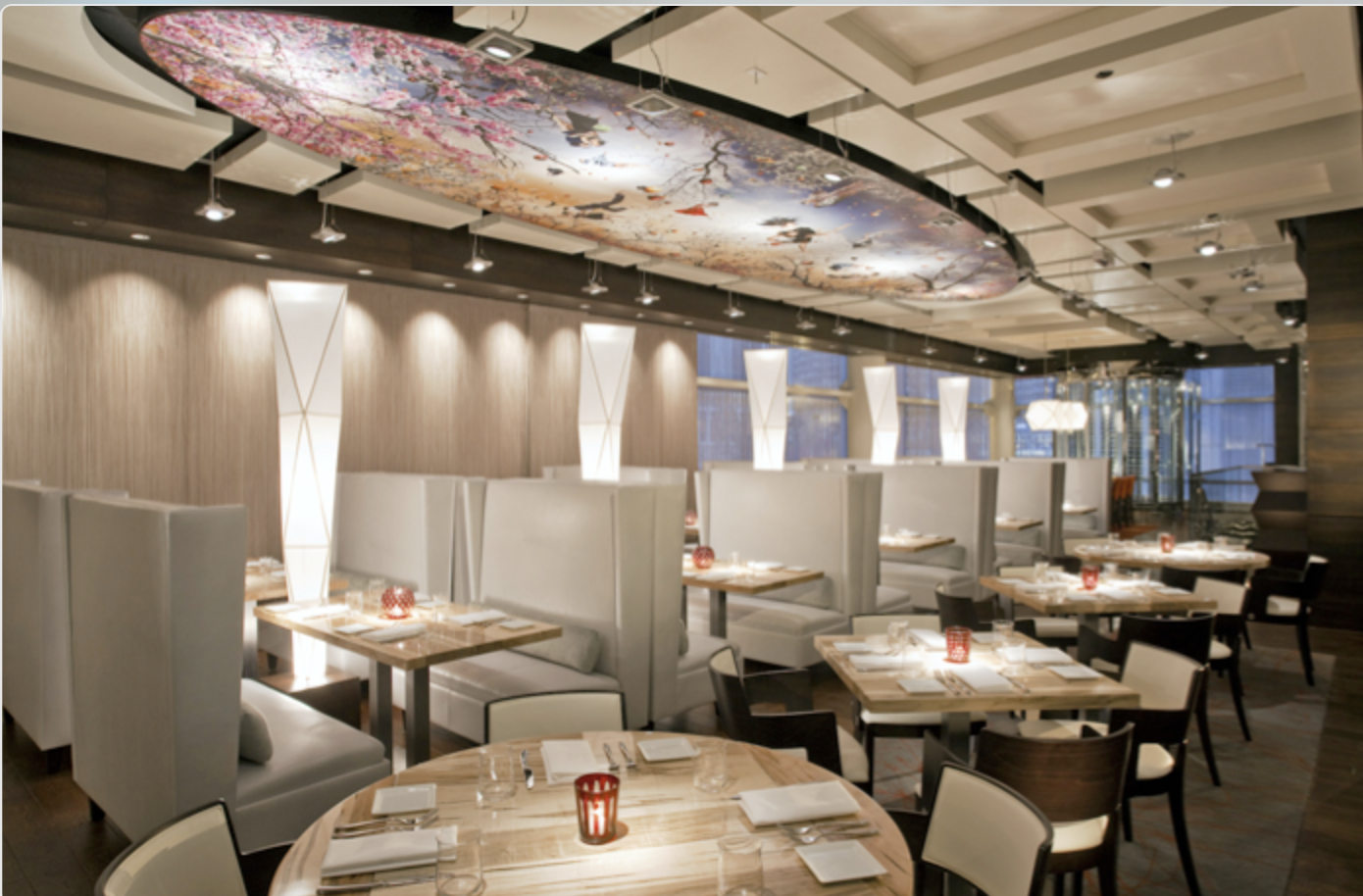
"FRESCO" Todd Murphy, 2009
Fresco, photo composite, 2009
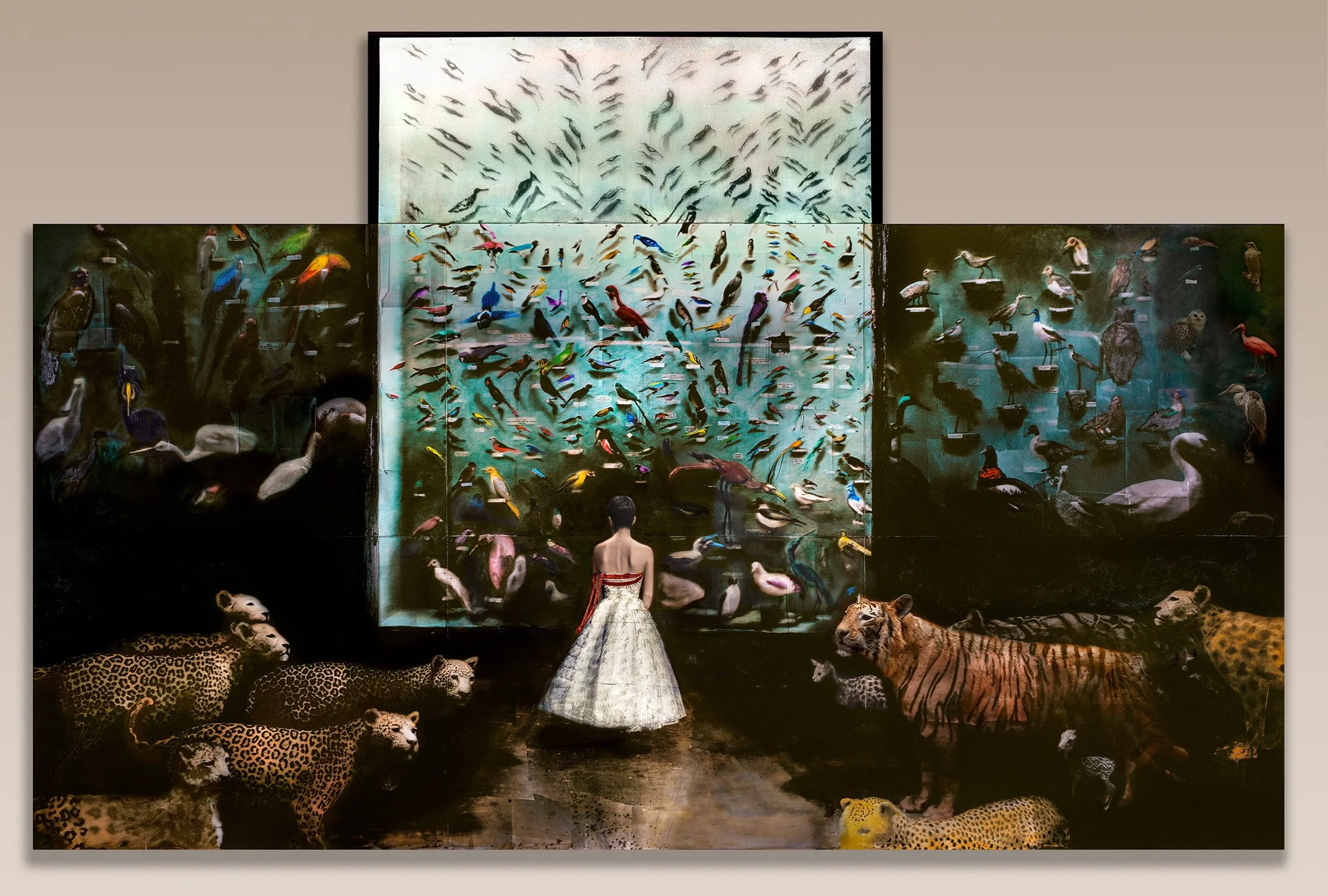
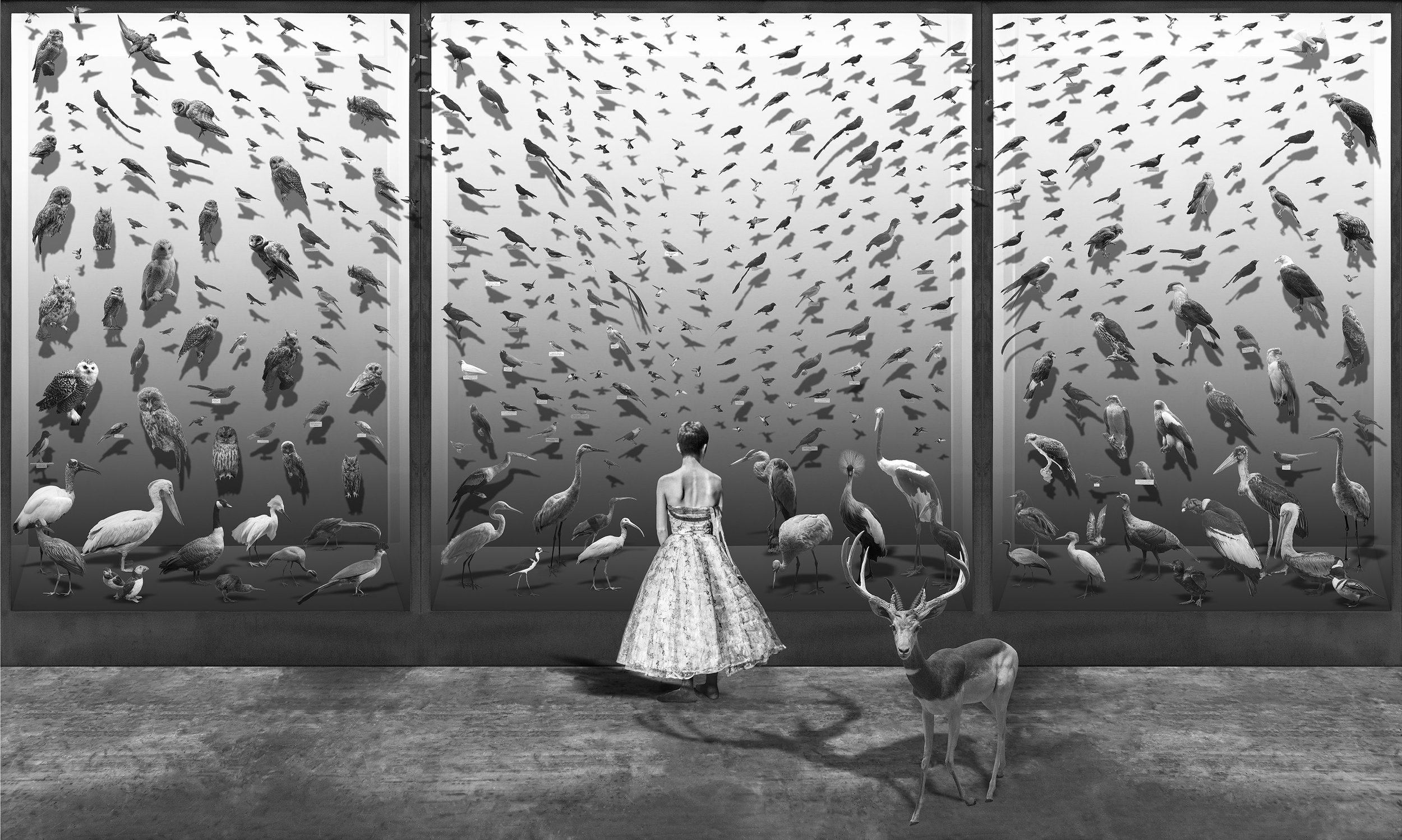
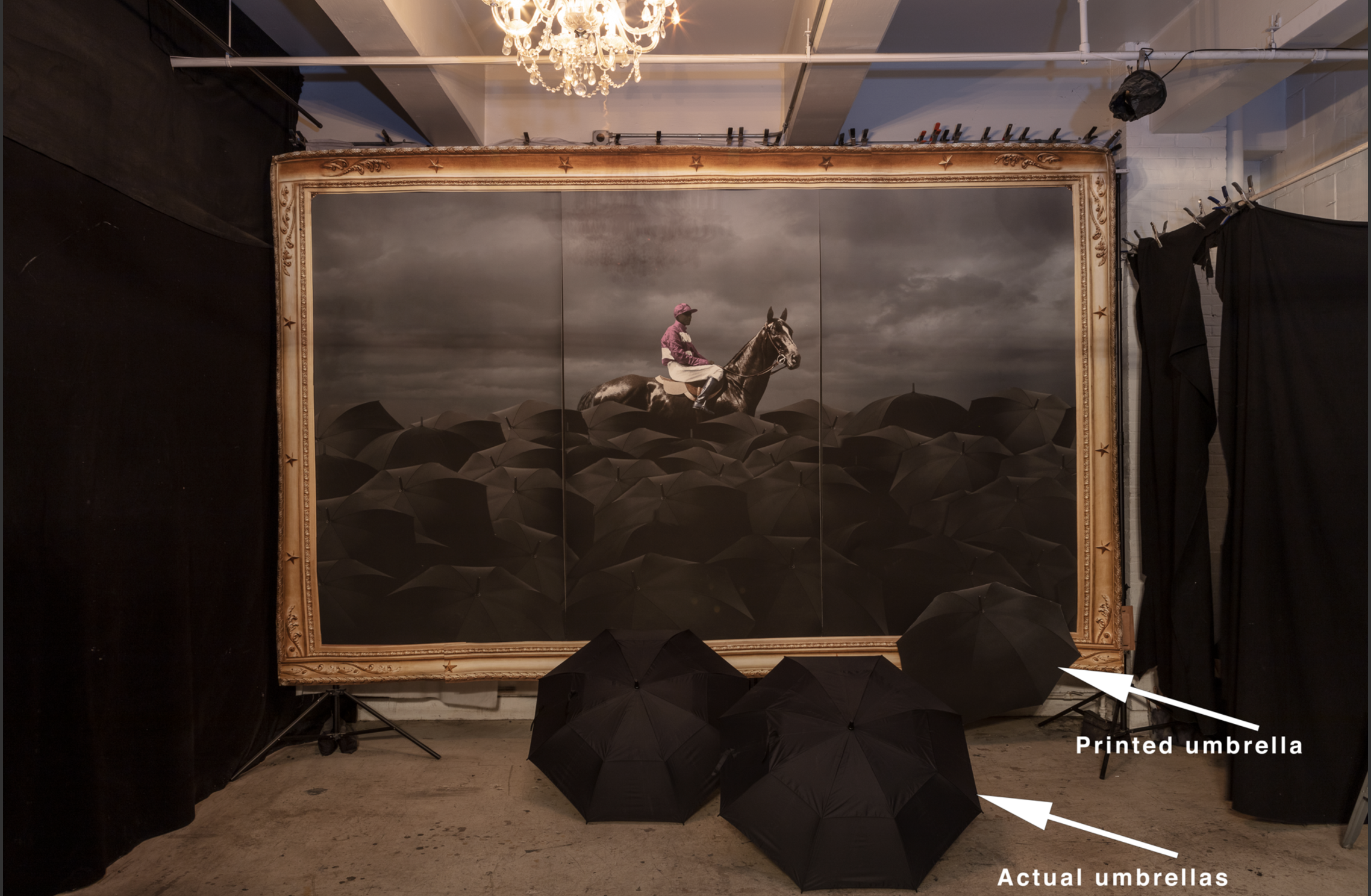
oval 33’4” long and 10’4” wide. For this art work Murphy took over 2000 photographs from studio photo-shoots and walks around Atlanta and physically and digitally: selected, edited, printed, cut, pasted, collaged the selected photographs and created a single unified image representing objects in different planes, in proper focus, keeping the true atmospheric and linear relation of varying distance.
-
We do not mean to assert that such subjects as Michael Angelo’s Last Judgment, or Raphael’s Transfiguration, for instance, have ever been done in photography; but it is not so much the fault of the art, as of the artists, that very elaborate pictures have not been successfully attempted.
By Robert A. Sobieszek
COMPOSITE IMAGERY AND THE ORIGINS OF PHOTOMONTAGE, PART I: THE NATURALISTIC STRAIN Art Forum, 1973
-
Todd Murphy Visual Poet; Composite Photography, photomontage, combination printing
-
The fault is not in the materials but in the lack of skill or courage of the photographer.
By Robert A. Sobieszek
Composite Imagery and the Origins of Photomontage, Part 1: The Naturalistic Strain ArtForum, 1973
-
The notion that photography is completely dependent upon what appears before the camera by chance—a position held by many 19th-century critics—is thrown into serious doubt by the sheer nature of composite photography.
By Robert A. Sobieszek
Composite Imagery and the Origins of Photomontage, Part 1: The Naturalistic Strain ArtForum, 1973
-
The fault is not in the materials but in the lack of skill or courage of the photographer. The process by which a truly skillful picture-maker could create such elaborate compositions was combination printing, or composite photography.
COMPOSITE IMAGERY AND THE ORIGINS OF PHOTOMONTAGE, PART I: THE NATURALISTIC STRAIN (Art Forum, 1973)
By Robert A. Sobieszek
-
To show the plasticity of photography, . . . and to prove that you are not, by my way of proceeding, confined to one plane, but may place figures and objects at any distances, as clear and distinct as they relatively ought to be.
Rejlander
COMPOSITE IMAGERY AND THE ORIGINS OF PHOTOMONTAGE, PART I: THE NATURALISTIC STRAIN (Art Forum, 1973)
By Robert A. Sobieszek
-
Basically, photomontage is the fabrication of a composite but single image made up of a number of distinct photographic parts. It “results from the association of photographic elements, which have diverse origins, natures and proportions, combined in such a way as to express with force a particular idea.”6
COMPOSITE IMAGERY AND THE ORIGINS OF PHOTOMONTAGE, PART I: THE NATURALISTIC STRAIN (Art Forum, 1973)
By Robert A. Sobieszek
-
A photographer, like all artists, is at liberty to employ what means he thinks necessary to carry out his ideas. If a picture cannot be produced by one negative, let him have two or ten; but let it be clearly understood, that these are only means to the end, and that the picture when finished must stand or fall entirely by the effects produced, and not by the means employed. 8
COMPOSITE IMAGERY AND THE ORIGINS OF PHOTOMONTAGE, PART I: THE NATURALISTIC STRAIN (Art Forum, 1973)
By Robert A. Sobieszek
-
there are references to Hippolyte Bayard’s method, as early as 1851, in Paris, of double-printing clouds into an otherwise blank sky, to a German composite photograph made in 1854, and to well-known double-printed sky- and sea-scapes by Gustave LeGray, made in the middle 1850s.24
COMPOSITE IMAGERY AND THE ORIGINS OF PHOTOMONTAGE, PART I: THE NATURALISTIC STRAIN (Art Forum, 1973)
By Robert A. Sobieszek
-
Nearly every landscape photographer during the 19th century used this method at one time or another, including such “straight” photographers as Eadweard Muybridge and Peter Henry Emerson.
COMPOSITE IMAGERY AND THE ORIGINS OF PHOTOMONTAGE, PART I: THE NATURALISTIC STRAIN (Art Forum, 1973)
By Robert A. Sobieszek
-
But the scope of photography is wider than those who have only taken a simple portrait or landscape suppose. It is almost impossible to design a group that could not have been reproduced from life by the means our art places at our disposal. We do not mean to assert that such subjects as Michael Angelo’s Last Judgment, or Raphael’s Transfiguration, for instance, have ever been done in photography; but it is not so much the fault of the art, as of the artists, that very elaborate pictures have not been successfully attempted. (31)
COMPOSITE IMAGERY AND THE ORIGINS OF PHOTOMONTAGE, PART I: THE NATURALISTIC STRAIN (Art Forum, 1973)
By Robert A. Sobieszek
-
TECHNOLOGY and ART, a new Renaissance in contemporary culture; driven by the Internet and emerging technologies. An evolutionary shift toward bits and pixels as our primary modes of communication, in the future it will be the ability to see, not to manipulate abstract symbols, that will matter most. Science has returned to art.
Todd Murphy, 1999
-
The process by which a truly skillful picture-maker could create such elaborate compositions was combination printing, or composite photography.
By Robert A. Sobieszek
Composite Imagery and the Origins of Photomontage, Part 1: The Naturalistic Strain ArtForum, 1973
-
The fault is not in the materials but in the lack of skill or courage of the photographer.
By Robert A. Sobieszek
Composite Imagery and the Origins of Photomontage, Part 1: The Naturalistic Strain ArtForum, 1973
-
The notion that photography is completely dependent upon what appears before the camera by chance—a position held by many 19th-century critics—is thrown into serious doubt by the sheer nature of composite photography.
By Robert A. Sobieszek
Composite Imagery and the Origins of Photomontage, Part 1: The Naturalistic Strain ArtForum, 1973
-
To show the plasticity of photography, . . . and to prove that you are not, by my way of proceeding, confined to one plane, but may place figures and objects at any distances, as clear and distinct as they relatively ought to be.
Rejlander
COMPOSITE IMAGERY AND THE ORIGINS OF PHOTOMONTAGE, PART I: THE NATURALISTIC STRAIN (Art Forum, 1973)
By Robert A. Sobieszek
-
Basically, photomontage is the fabrication of a composite but single image made up of a number of distinct photographic parts. It “results from the association of photographic elements, which have diverse origins, natures and proportions, combined in such a way as to express with force a particular idea.”6
COMPOSITE IMAGERY AND THE ORIGINS OF PHOTOMONTAGE, PART I: THE NATURALISTIC STRAIN (Art Forum, 1973)
By Robert A. Sobieszek
-
A photographer, like all artists, is at liberty to employ what means he thinks necessary to carry out his ideas. If a picture cannot be produced by one negative, let him have two or ten; but let it be clearly understood, that these are only means to the end, and that the picture when finished must stand or fall entirely by the effects produced, and not by the means employed. 8
COMPOSITE IMAGERY AND THE ORIGINS OF PHOTOMONTAGE, PART I: THE NATURALISTIC STRAIN (Art Forum, 1973)
By Robert A. Sobieszek
-
there are references to Hippolyte Bayard’s method, as early as 1851, in Paris, of double-printing clouds into an otherwise blank sky, to a German composite photograph made in 1854, and to well-known double-printed sky- and sea-scapes by Gustave LeGray, made in the middle 1850s.24
COMPOSITE IMAGERY AND THE ORIGINS OF PHOTOMONTAGE, PART I: THE NATURALISTIC STRAIN (Art Forum, 1973)
By Robert A. Sobieszek
-
Nearly every landscape photographer during the 19th century used this method at one time or another, including such “straight” photographers as Eadweard Muybridge and Peter Henry Emerson.
COMPOSITE IMAGERY AND THE ORIGINS OF PHOTOMONTAGE, PART I: THE NATURALISTIC STRAIN (Art Forum, 1973)
By Robert A. Sobieszek
-
But the scope of photography is wider than those who have only taken a simple portrait or landscape suppose. It is almost impossible to design a group that could not have been reproduced from life by the means our art places at our disposal. We do not mean to assert that such subjects as Michael Angelo’s Last Judgment, or Raphael’s Transfiguration, for instance, have ever been done in photography; but it is not so much the fault of the art, as of the artists, that very elaborate pictures have not been successfully attempted. (31)
COMPOSITE IMAGERY AND THE ORIGINS OF PHOTOMONTAGE, PART I: THE NATURALISTIC STRAIN (Art Forum, 1973)
By Robert A. Sobieszek
-
TECHNOLOGY and ART, a new Renaissance in contemporary culture; driven by the Internet and emerging technologies. An evolutionary shift toward bits and pixels as our primary modes of communication, in the future it will be the ability to see, not to manipulate abstract symbols, that will matter most. Science has returned to art.
Todd Murphy, 1999
-
To show the plasticity of photography, . . . and to prove that you are not, by my way of proceeding, confined to one plane, but may place figures and objects at any distances, as clear and distinct as they relatively ought to be.
Rejlander
By Robert A. Sobieszek
Composite Imagery and the Origins of Photomontage, Part 1: The Naturalistic Strain ArtForum, 1973
-
Basically, photomontage is the fabrication of a composite but single image made up of a number of distinct photographic parts. It “results from the association of photographic elements, which have diverse origins, natures and proportions, combined in such a way as to express with force a particular idea.”6
COMPOSITE IMAGERY AND THE ORIGINS OF PHOTOMONTAGE, PART I: THE NATURALISTIC STRAIN (Art Forum, 1973)
By Robert A. Sobieszek
-
A photographer, like all artists, is at liberty to employ what means he thinks necessary to carry out his ideas. If a picture cannot be produced by one negative, let him have two or ten; but let it be clearly understood, that these are only means to the end, and that the picture when finished must stand or fall entirely by the effects produced, and not by the means employed. 8
COMPOSITE IMAGERY AND THE ORIGINS OF PHOTOMONTAGE, PART I: THE NATURALISTIC STRAIN (Art Forum, 1973)
By Robert A. Sobieszek
-
there are references to Hippolyte Bayard’s method, as early as 1851, in Paris, of double-printing clouds into an otherwise blank sky, to a German composite photograph made in 1854, and to well-known double-printed sky- and sea-scapes by Gustave LeGray, made in the middle 1850s.24
COMPOSITE IMAGERY AND THE ORIGINS OF PHOTOMONTAGE, PART I: THE NATURALISTIC STRAIN (Art Forum, 1973)
By Robert A. Sobieszek
-
Nearly every landscape photographer during the 19th century used this method at one time or another, including such “straight” photographers as Eadweard Muybridge and Peter Henry Emerson.
COMPOSITE IMAGERY AND THE ORIGINS OF PHOTOMONTAGE, PART I: THE NATURALISTIC STRAIN (Art Forum, 1973)
By Robert A. Sobieszek
-
The notion that photography is completely dependent upon what appears before the camera by chance—a position held by many 19th-century critics—is thrown into serious doubt by the sheer nature of composite photography.
COMPOSITE IMAGERY AND THE ORIGINS OF PHOTOMONTAGE, PART I: THE NATURALISTIC STRAIN (Art Forum, 1973)
By Robert A. Sobieszek
-
But the scope of photography is wider than those who have only taken a simple portrait or landscape suppose. It is almost impossible to design a group that could not have been reproduced from life by the means our art places at our disposal. We do not mean to assert that such subjects as Michael Angelo’s Last Judgment, or Raphael’s Transfiguration, for instance, have ever been done in photography; but it is not so much the fault of the art, as of the artists, that very elaborate pictures have not been successfully attempted. (31)
COMPOSITE IMAGERY AND THE ORIGINS OF PHOTOMONTAGE, PART I: THE NATURALISTIC STRAIN (Art Forum, 1973)
By Robert A. Sobieszek
-
The fault is not in the materials but in the lack of skill or courage of the photographer. The process by which a truly skillful picture-maker could create such elaborate compositions was combination printing, or composite photography.
COMPOSITE IMAGERY AND THE ORIGINS OF PHOTOMONTAGE, PART I: THE NATURALISTIC STRAIN (Art Forum, 1973)
By Robert A. Sobieszek
-
TECHNOLOGY and ART, a new Renaissance in contemporary culture; driven by the Internet and emerging technologies. An evolutionary shift toward bits and pixels as our primary modes of communication, in the future it will be the ability to see, not to manipulate abstract symbols, that will matter most. Science has returned to art.
Todd Murphy, 1999
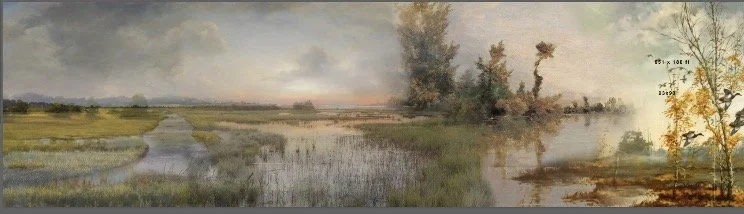
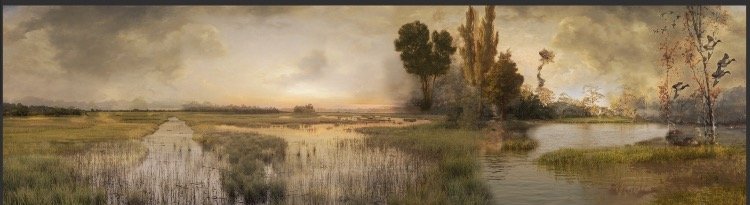
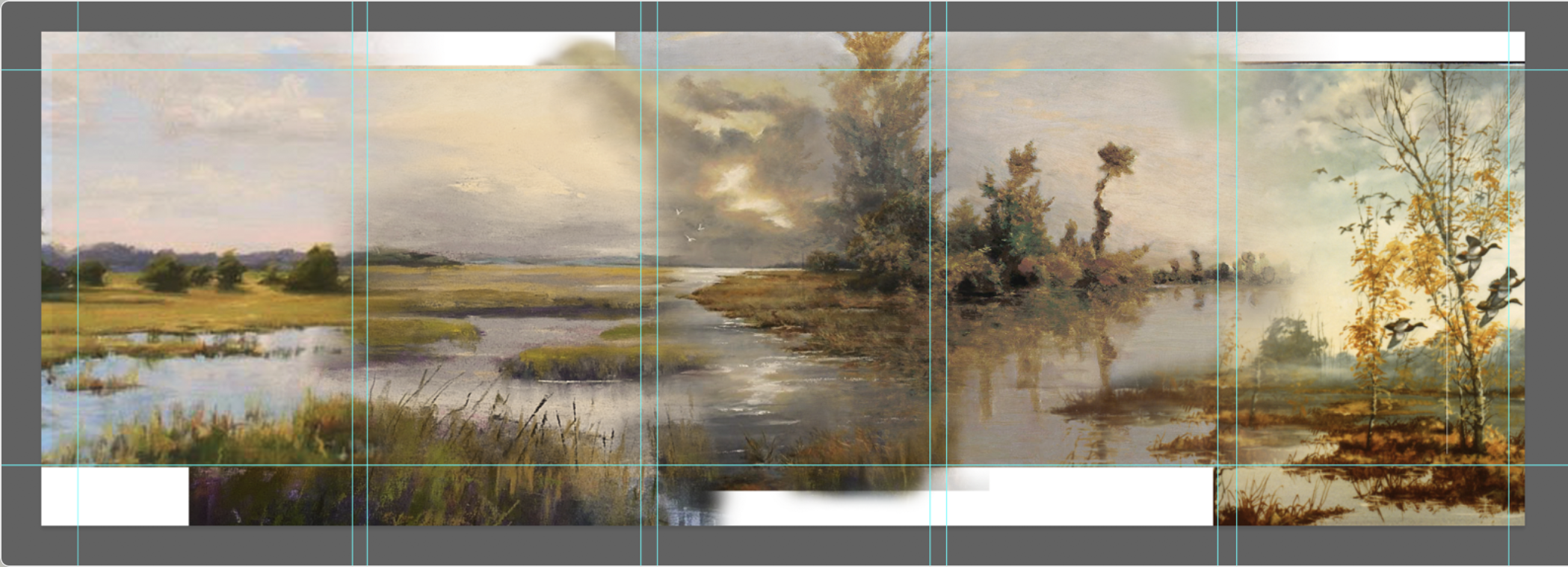
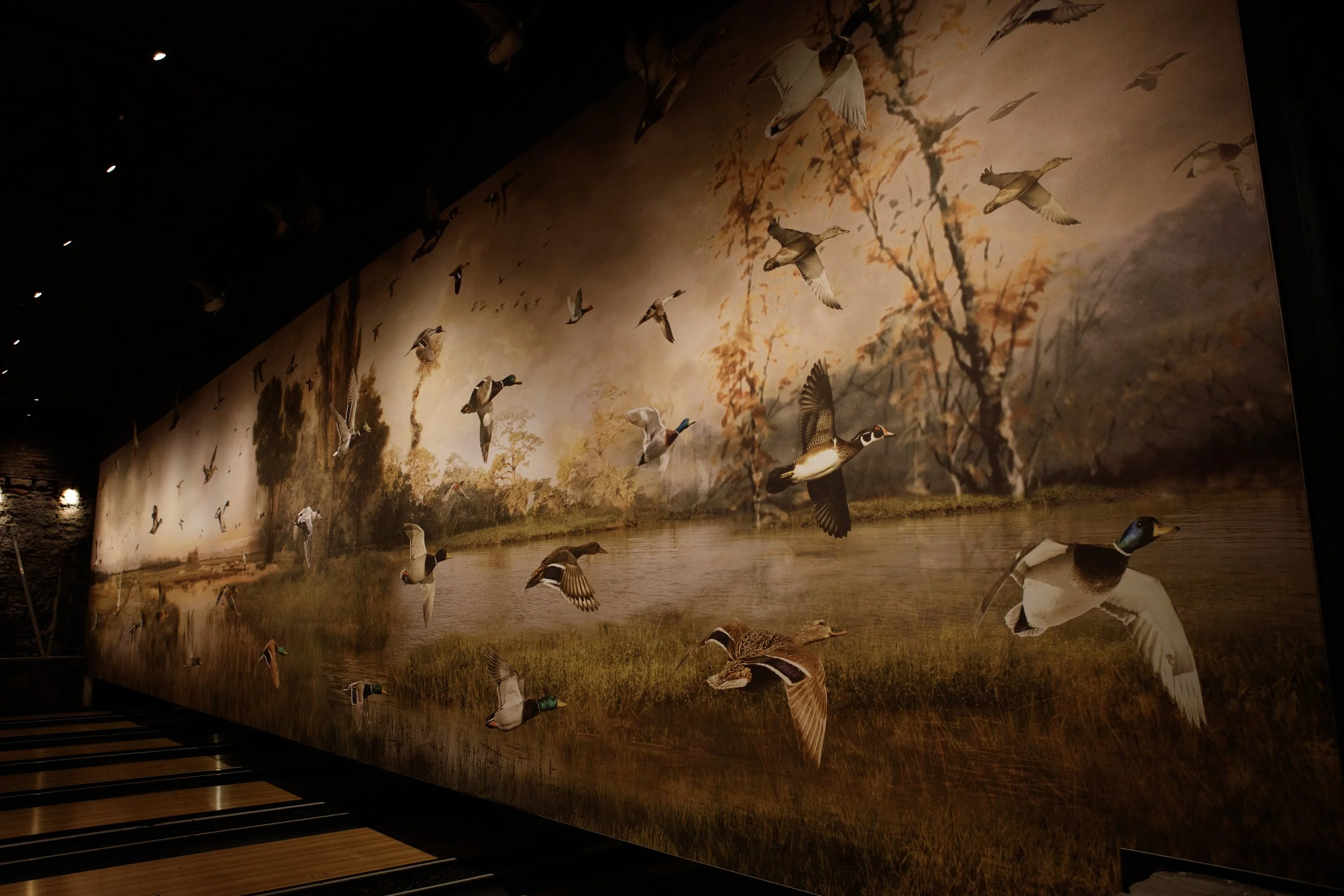
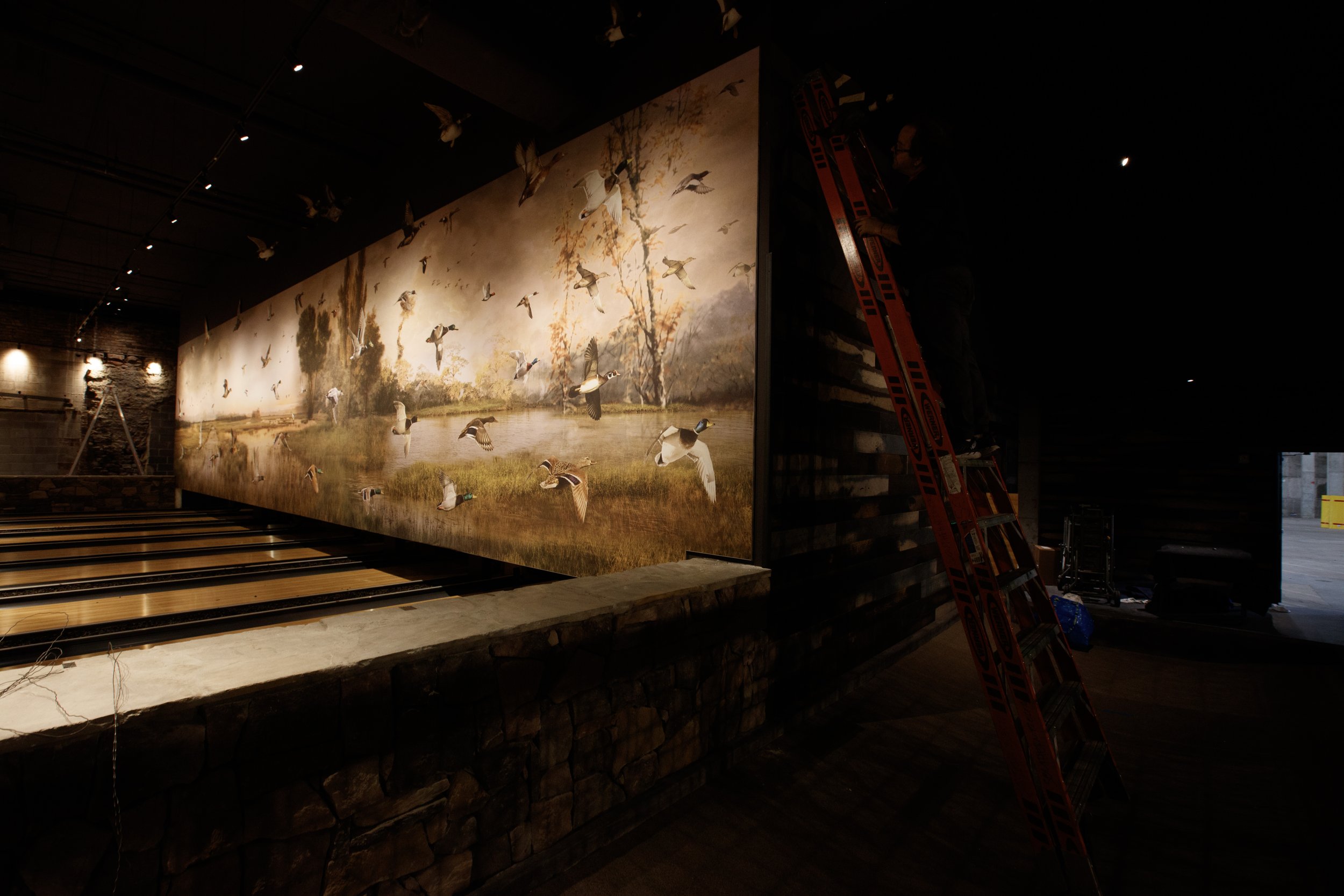
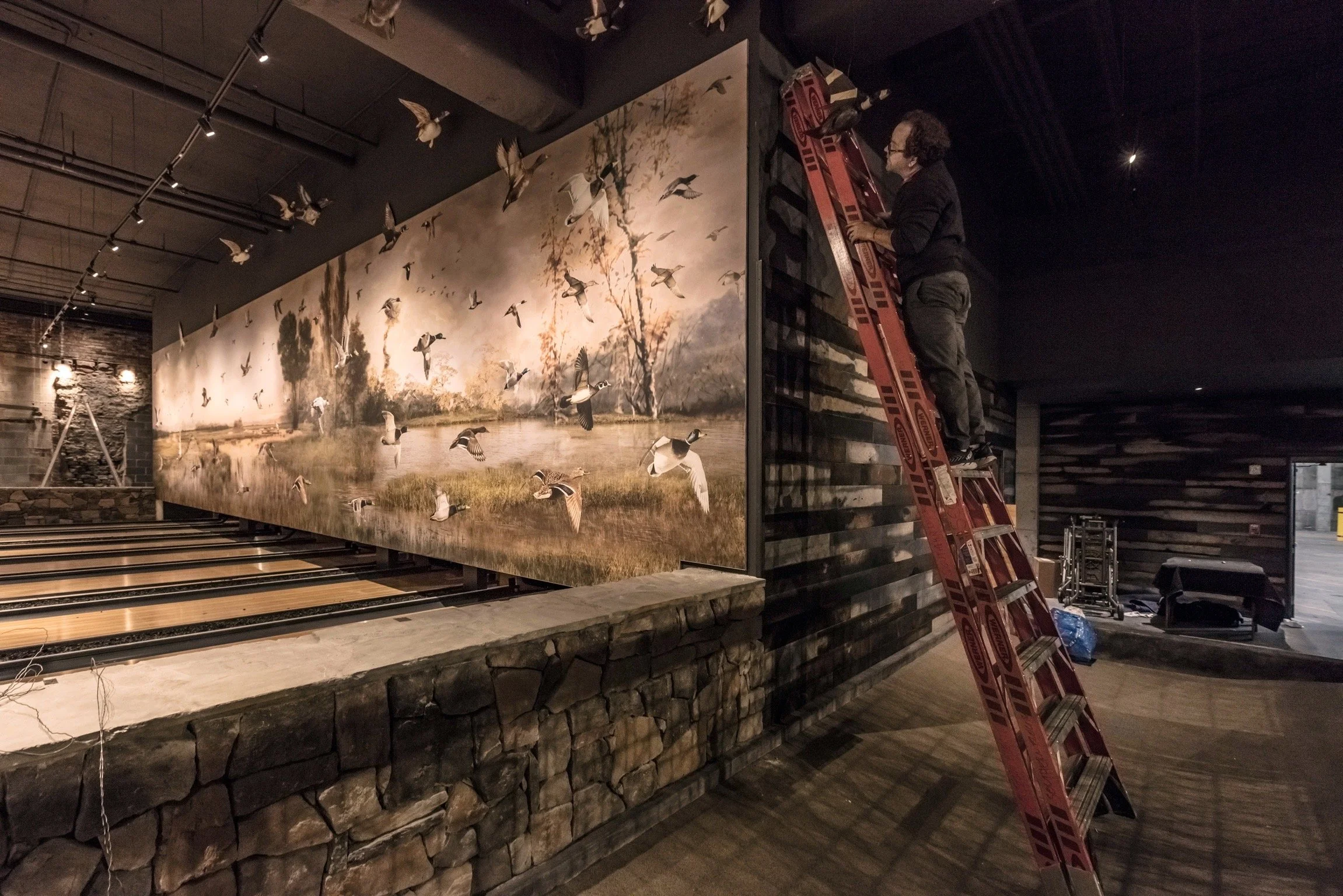
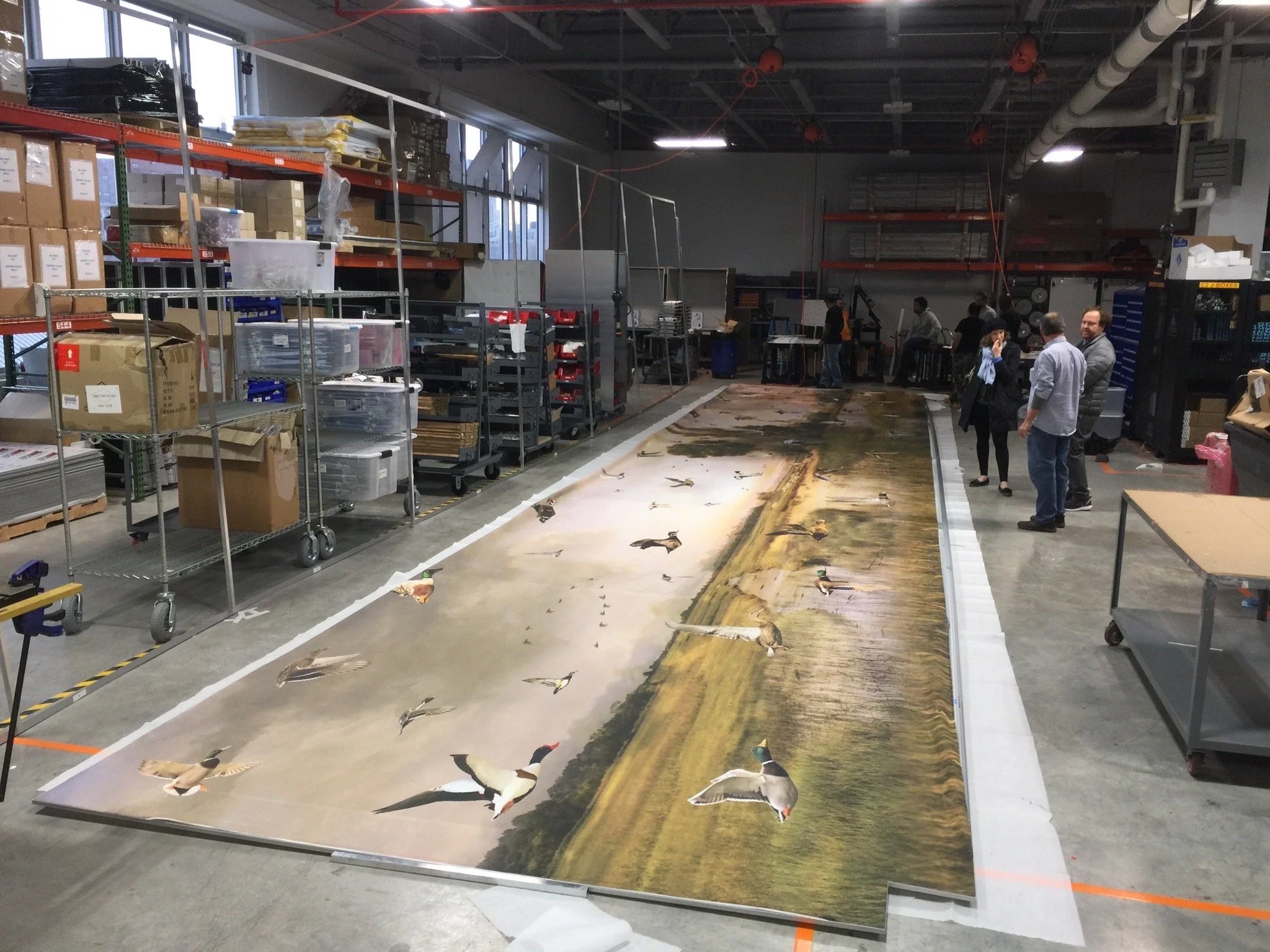
Duck painting, 2018 Digital composite 15 x 60 Left Photo Composite
Duck painting, 2018 15 x 60 feet Right side digital photo composite

-
Basically, photomontage is the fabrication of a composite but single image made up of a number of distinct photographic parts. It “results from the association of photographic elements, which have diverse origins, natures and proportions, combined in such a way as to express with force a particular idea.”
By Robert A. Sobieszek
Composite Imagery and the Origins of Photomontage, Part 1: The Naturalistic Strain ArtForum, 1973
-
To show the plasticity of photography, . . . and to prove that you are not, by my way of proceeding, confined to one plane, but may place figures and objects at any distances, as clear and distinct as they relatively ought to be.
Rejlander
COMPOSITE IMAGERY AND THE ORIGINS OF PHOTOMONTAGE, PART I: THE NATURALISTIC STRAIN (Art Forum, 1973)
By Robert A. Sobieszek
-
A photographer, like all artists, is at liberty to employ what means he thinks necessary to carry out his ideas. If a picture cannot be produced by one negative, let him have two or ten; but let it be clearly understood, that these are only means to the end, and that the picture when finished must stand or fall entirely by the effects produced, and not by the means employed. 8
COMPOSITE IMAGERY AND THE ORIGINS OF PHOTOMONTAGE, PART I: THE NATURALISTIC STRAIN (Art Forum, 1973)
By Robert A. Sobieszek
-
there are references to Hippolyte Bayard’s method, as early as 1851, in Paris, of double-printing clouds into an otherwise blank sky, to a German composite photograph made in 1854, and to well-known double-printed sky- and sea-scapes by Gustave LeGray, made in the middle 1850s.24
COMPOSITE IMAGERY AND THE ORIGINS OF PHOTOMONTAGE, PART I: THE NATURALISTIC STRAIN (Art Forum, 1973)
By Robert A. Sobieszek
-
Nearly every landscape photographer during the 19th century used this method at one time or another, including such “straight” photographers as Eadweard Muybridge and Peter Henry Emerson.
COMPOSITE IMAGERY AND THE ORIGINS OF PHOTOMONTAGE, PART I: THE NATURALISTIC STRAIN (Art Forum, 1973)
By Robert A. Sobieszek
-
The notion that photography is completely dependent upon what appears before the camera by chance—a position held by many 19th-century critics—is thrown into serious doubt by the sheer nature of composite photography.
COMPOSITE IMAGERY AND THE ORIGINS OF PHOTOMONTAGE, PART I: THE NATURALISTIC STRAIN (Art Forum, 1973)
By Robert A. Sobieszek
-
But the scope of photography is wider than those who have only taken a simple portrait or landscape suppose. It is almost impossible to design a group that could not have been reproduced from life by the means our art places at our disposal. We do not mean to assert that such subjects as Michael Angelo’s Last Judgment, or Raphael’s Transfiguration, for instance, have ever been done in photography; but it is not so much the fault of the art, as of the artists, that very elaborate pictures have not been successfully attempted. (31)
COMPOSITE IMAGERY AND THE ORIGINS OF PHOTOMONTAGE, PART I: THE NATURALISTIC STRAIN (Art Forum, 1973)
By Robert A. Sobieszek
-
The fault is not in the materials but in the lack of skill or courage of the photographer. The process by which a truly skillful picture-maker could create such elaborate compositions was combination printing, or composite photography.
COMPOSITE IMAGERY AND THE ORIGINS OF PHOTOMONTAGE, PART I: THE NATURALISTIC STRAIN (Art Forum, 1973)
By Robert A. Sobieszek
-
TECHNOLOGY and ART, a new Renaissance in contemporary culture; driven by the Internet and emerging technologies. An evolutionary shift toward bits and pixels as our primary modes of communication, in the future it will be the ability to see, not to manipulate abstract symbols, that will matter most. Science has returned to art.
Todd Murphy, 1999
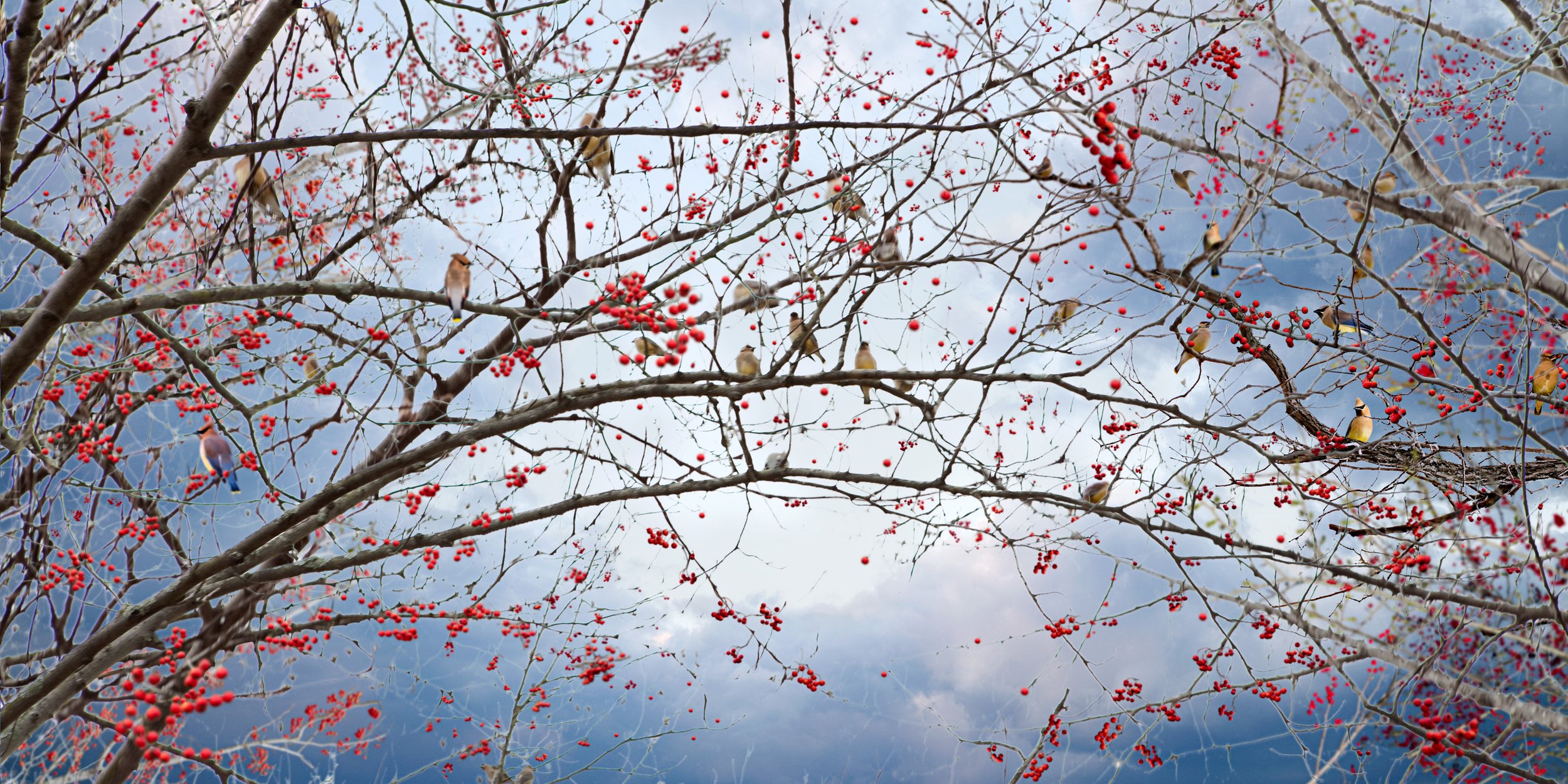
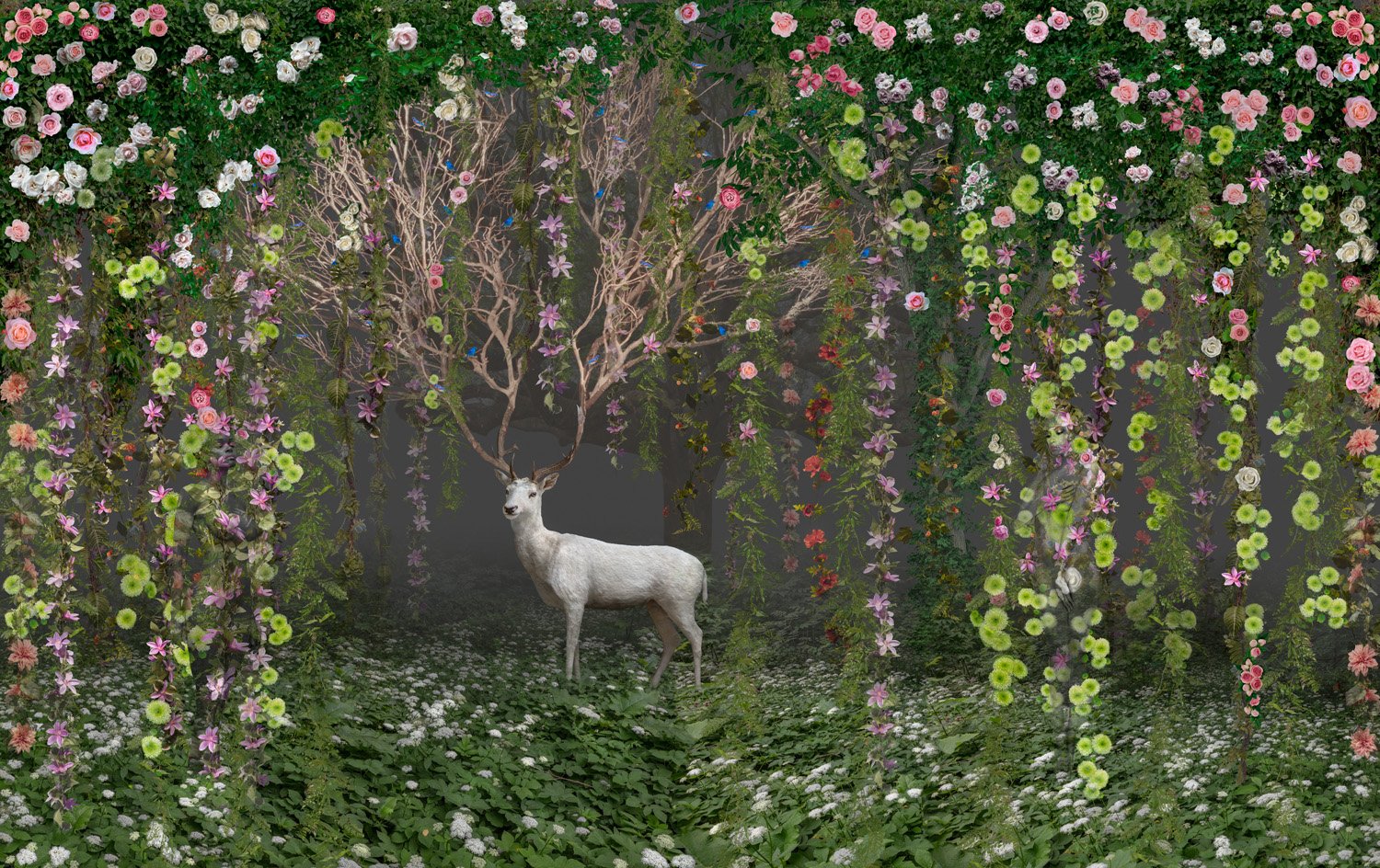
Untitled Sovereign Series (Berries Branch) digital C print 2009 (light box 2008)
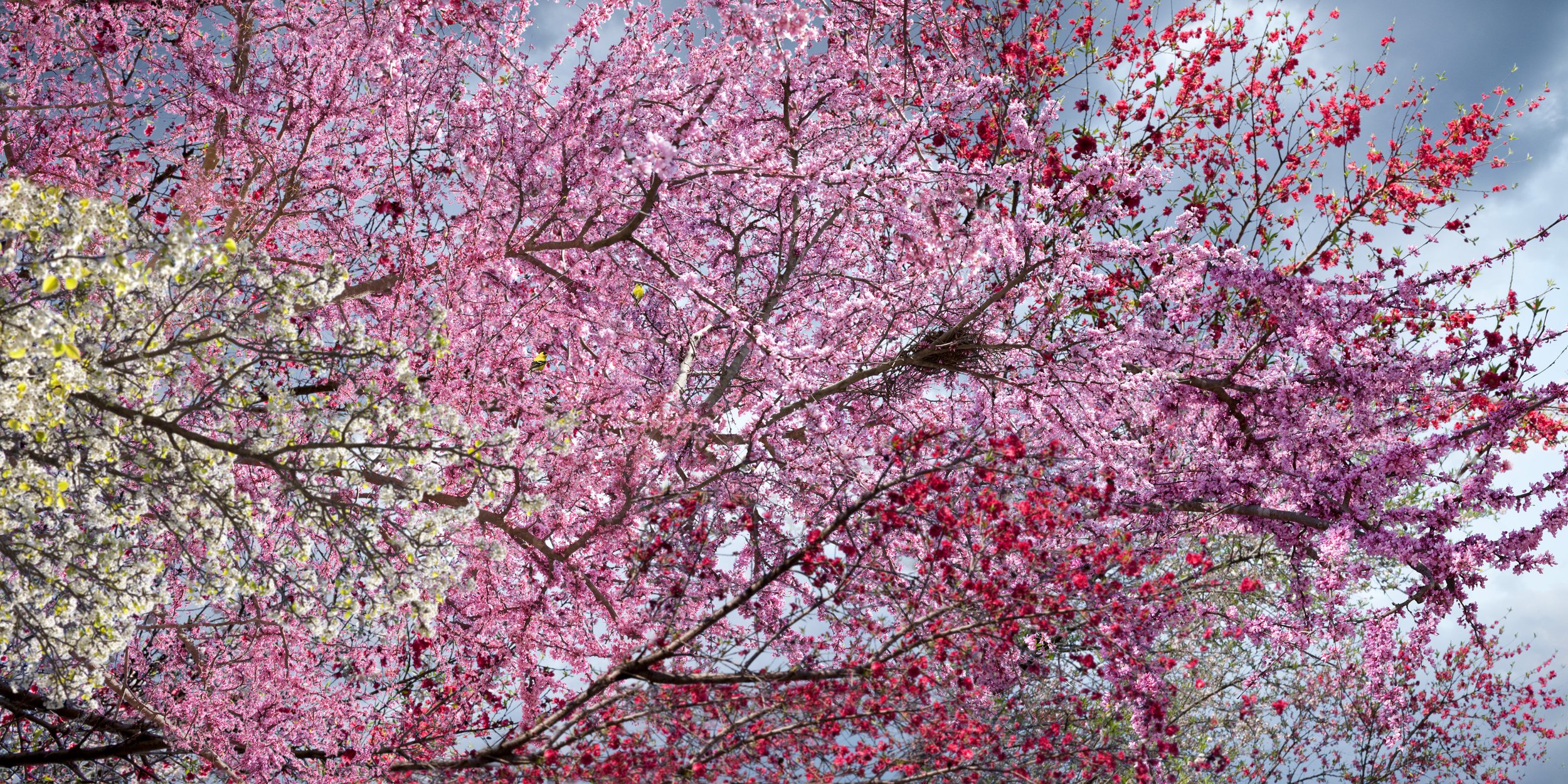
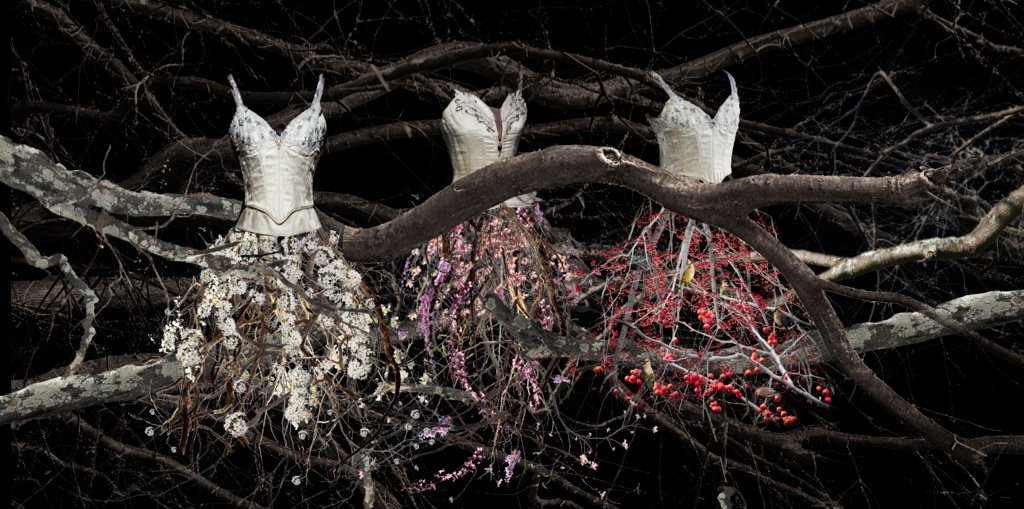
Untitled Sovereign Series (Flowering Branch) digital C Print, 2009 (light box) 2008
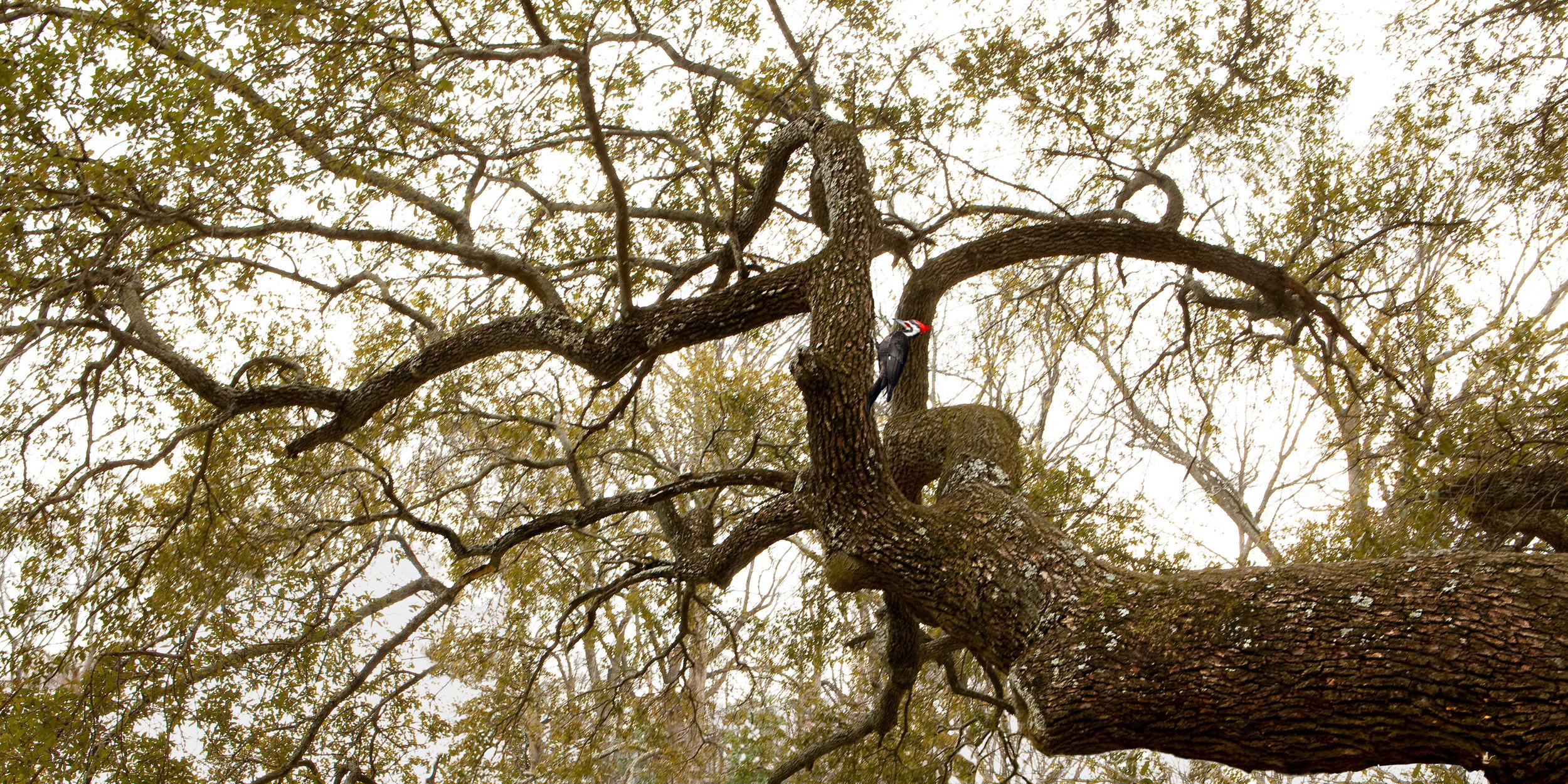
Untitled Sovereign Series (Big Green Branch) digital C print 2009 (light box 2008)
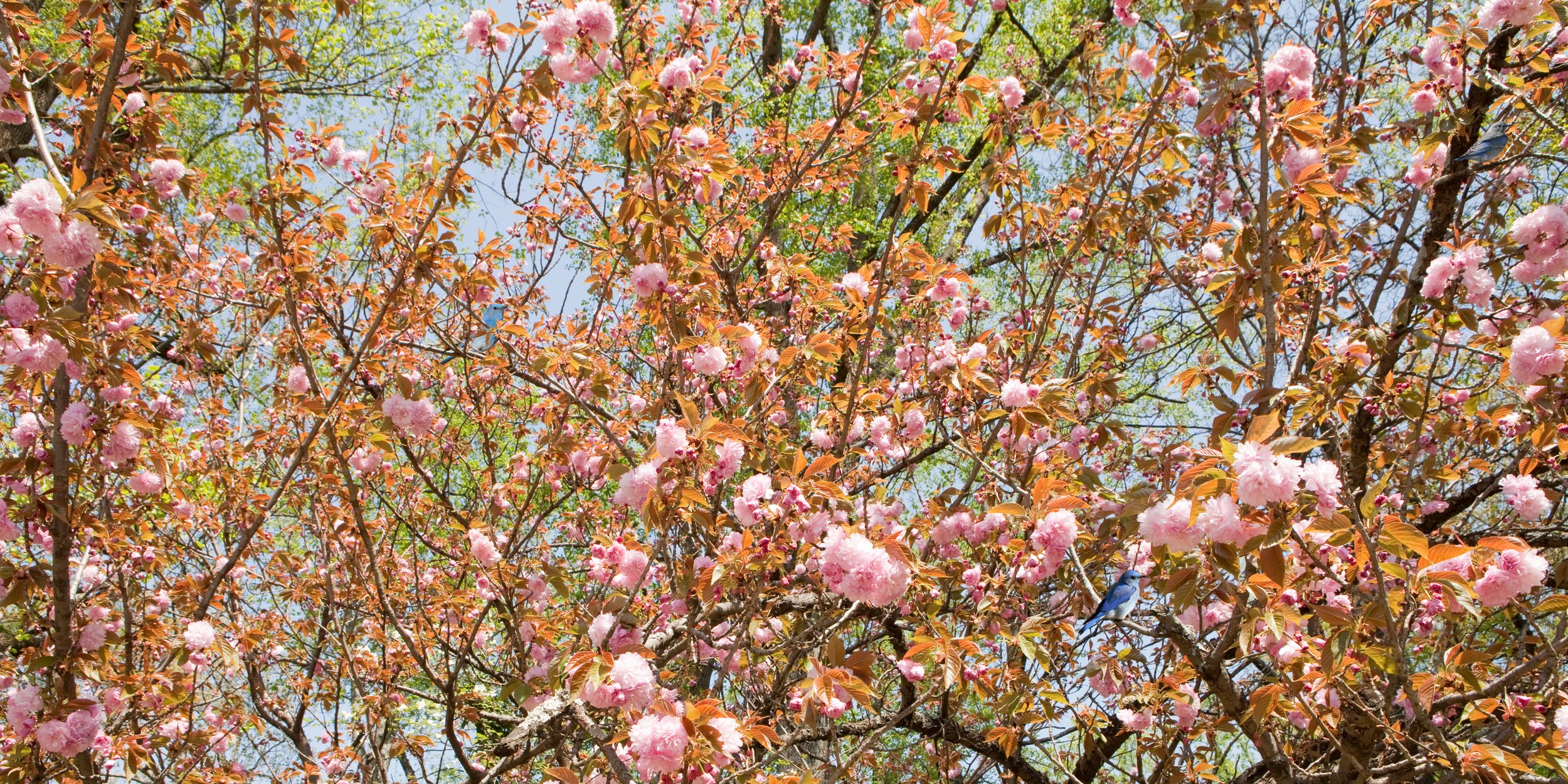
Untitled Sovereign Series (Blue Birds Branch) digital C print 2009 (light box 2008)
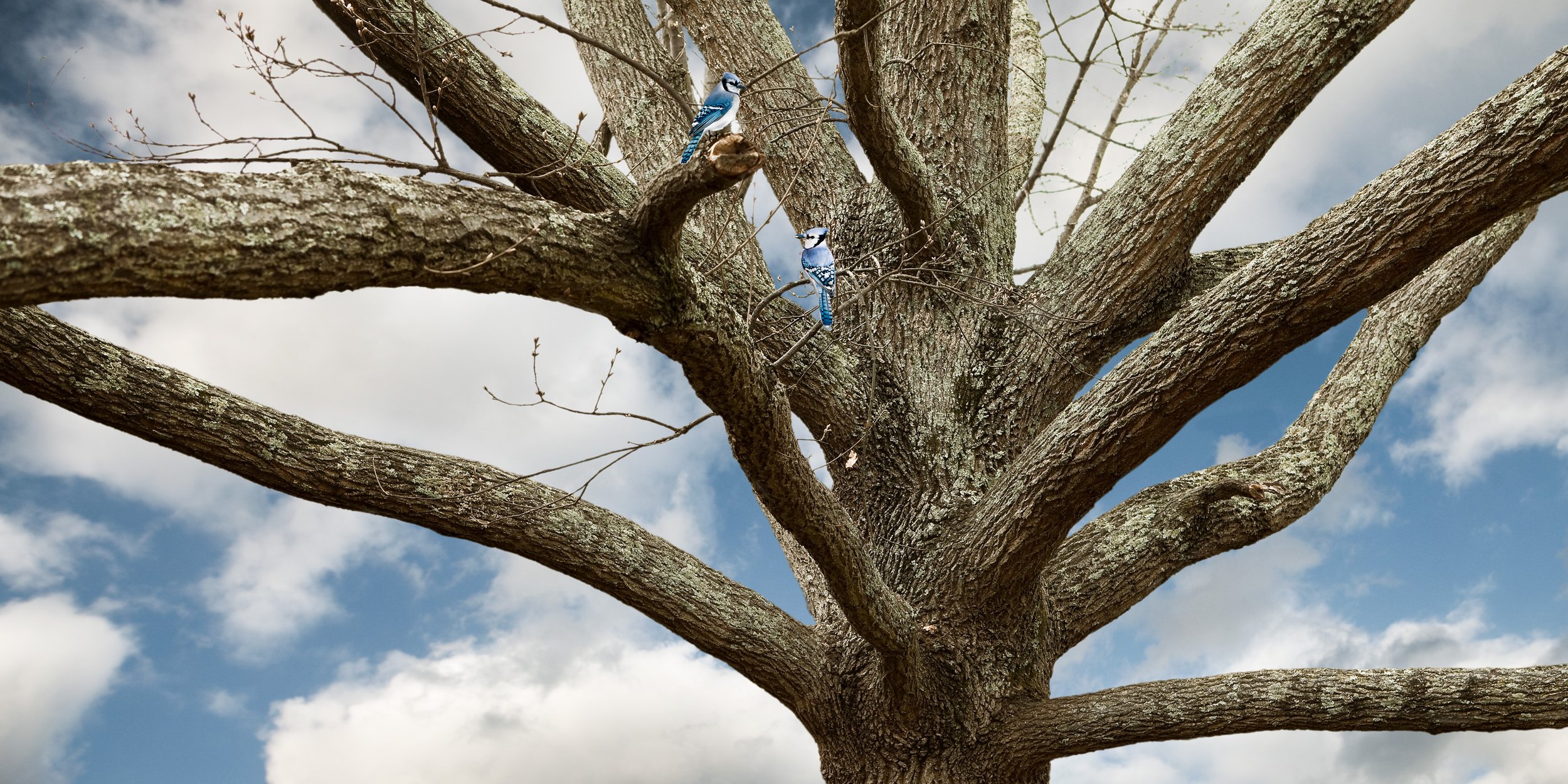
Untitled Sovereign Series (Bluejays) digital C print 2009 (light box 2008)
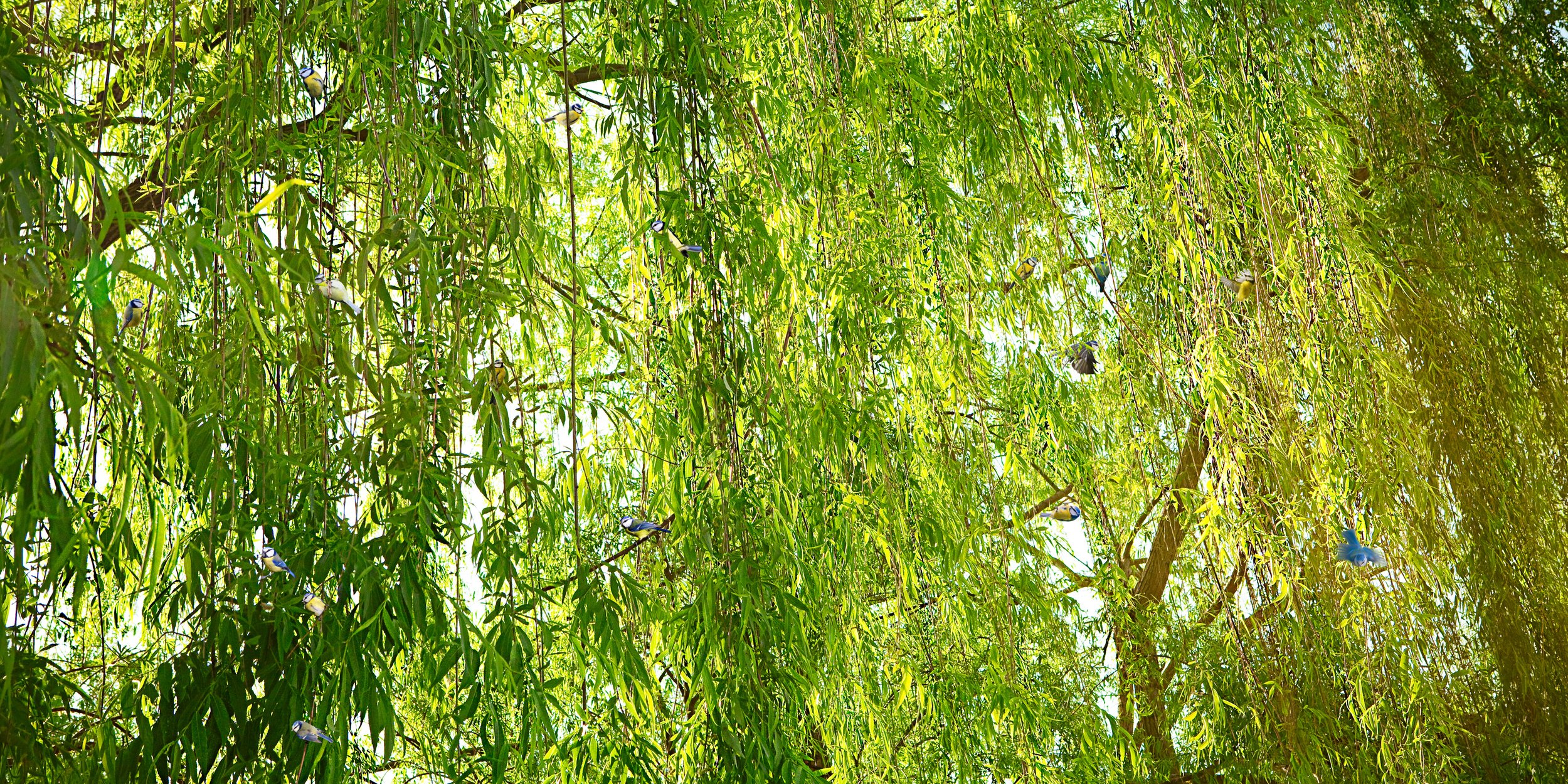
Untitled Sovereign Series (Willow Branches) digital C print 2009 (light box 2008)
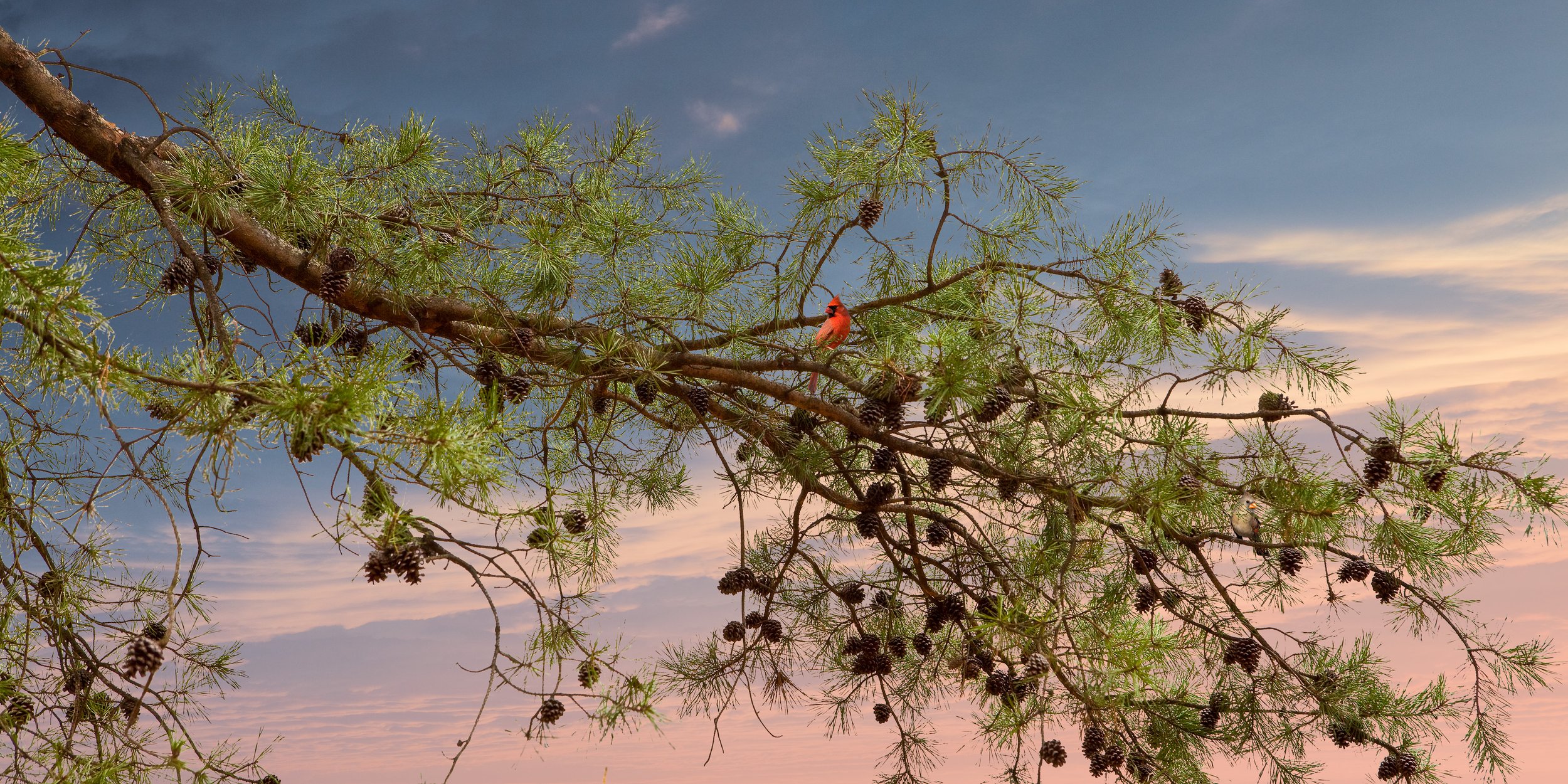
Untitled Sovereign Series (Cardinals Branch) digital C print 2009 (light box 2008)
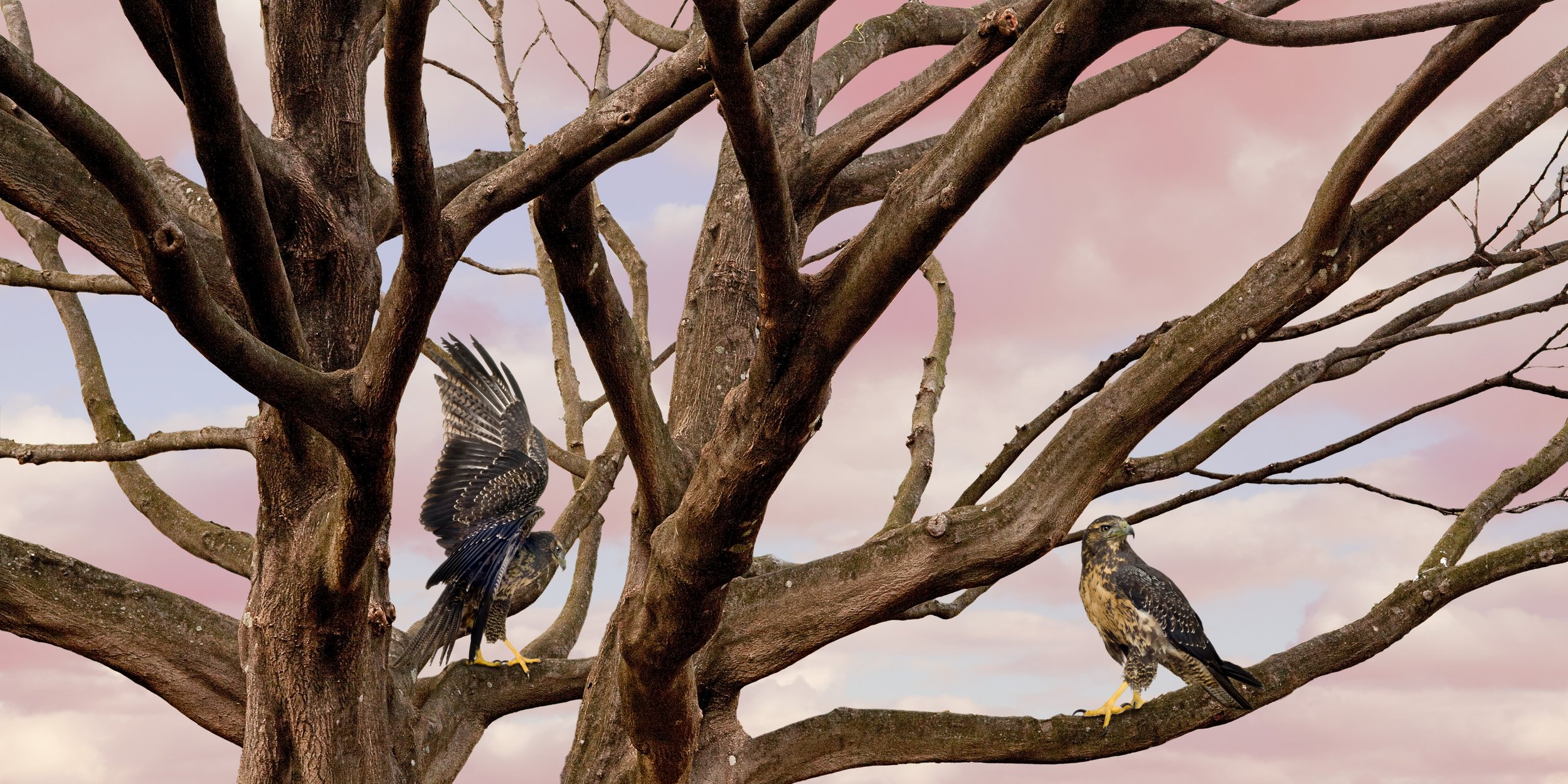
Untitled Sovereign Series (Branch with Clouds) digital C print 2009 (light box 2008)
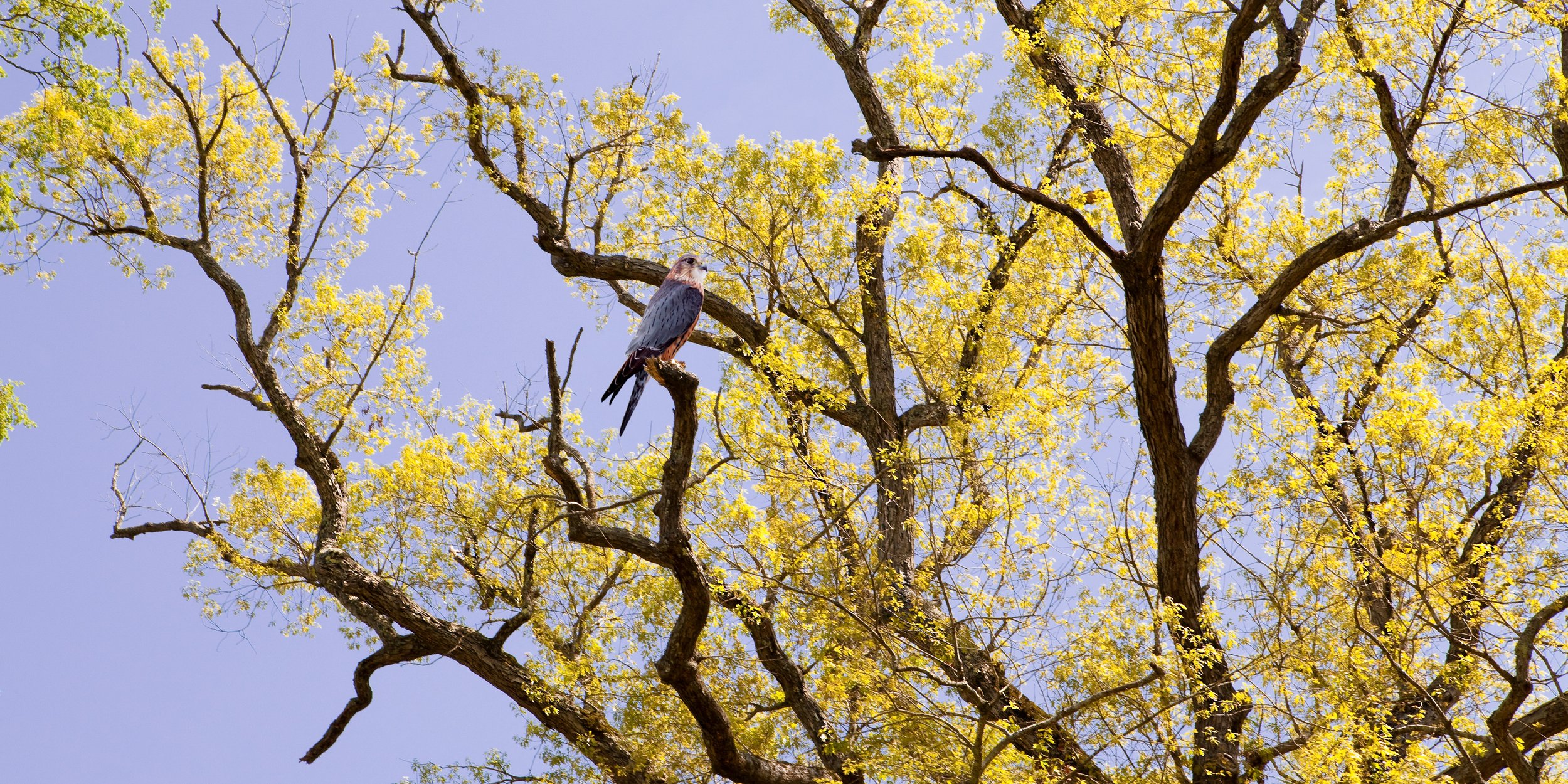
Untitled Sovereign Series (Falcon) digital C print 2009 (light box 2008)
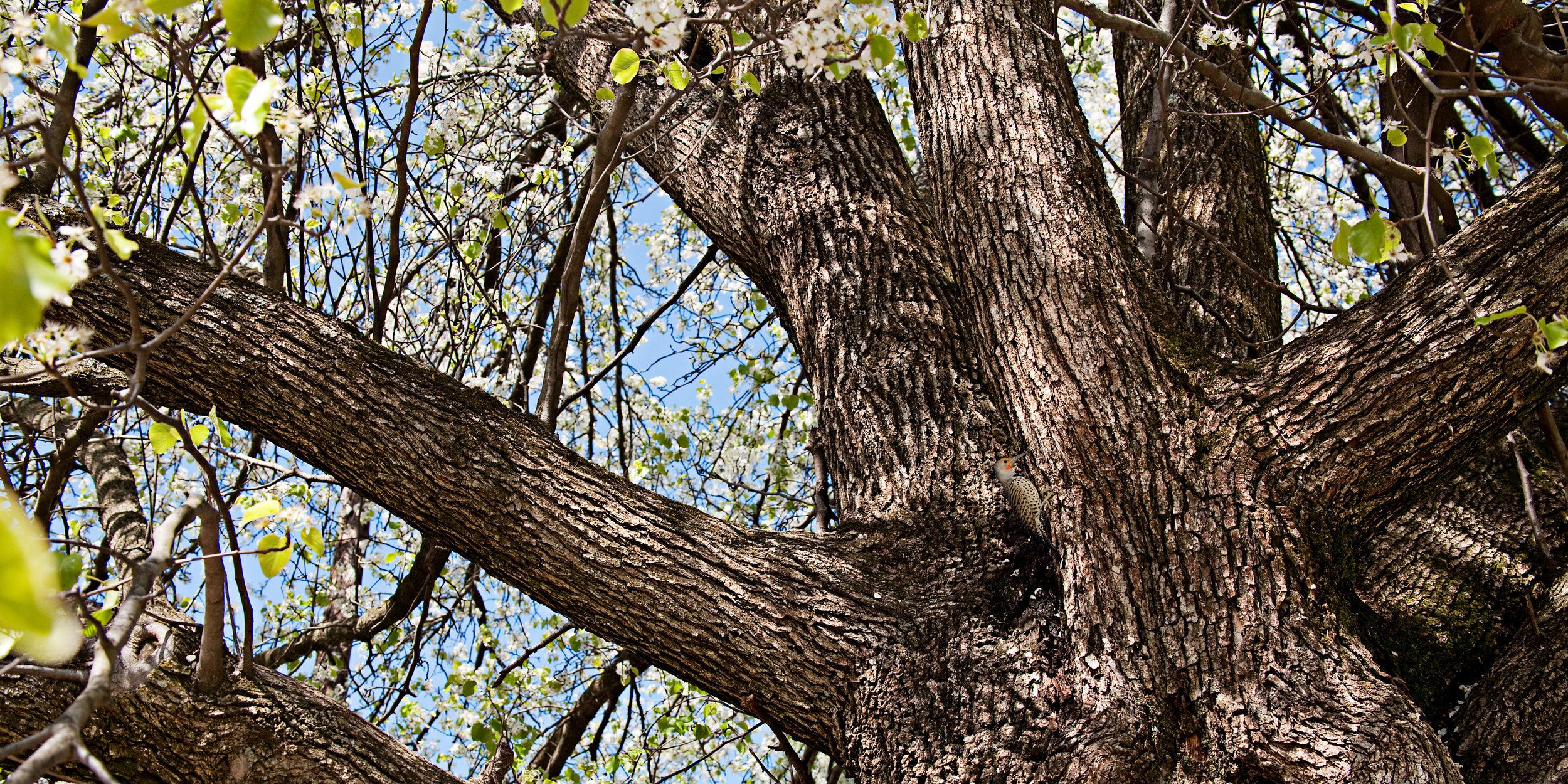
Untitled Sovereign Series (Flicker Branches) digital C print 2009 (light box 2008)
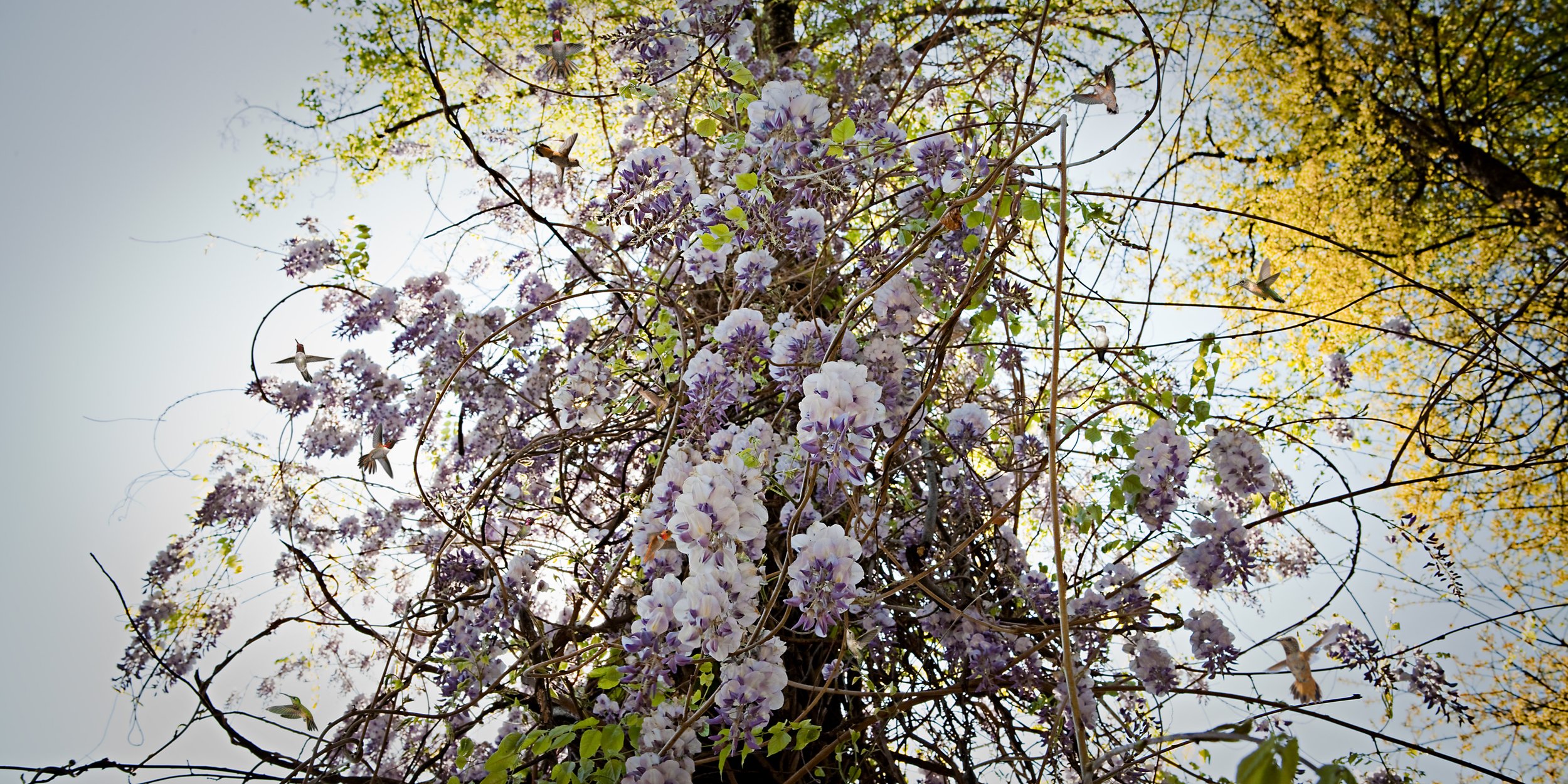
Untitled Sovereign Series (Humming Bird Branches) digital C print 2009 (light box 2008)
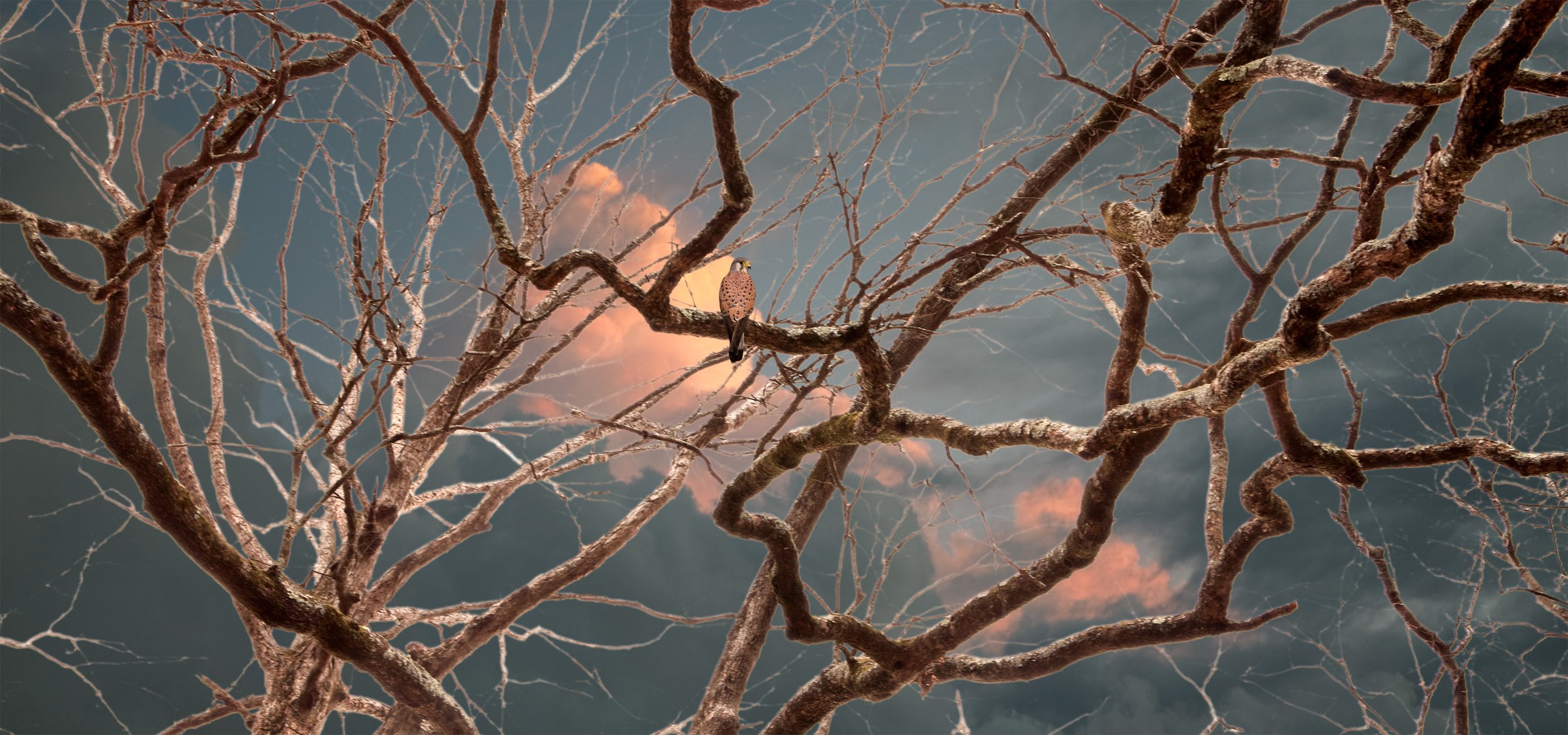
Untitled Sovereign Series (Kestrel Branches) digital C print 2009 (light box 2008)
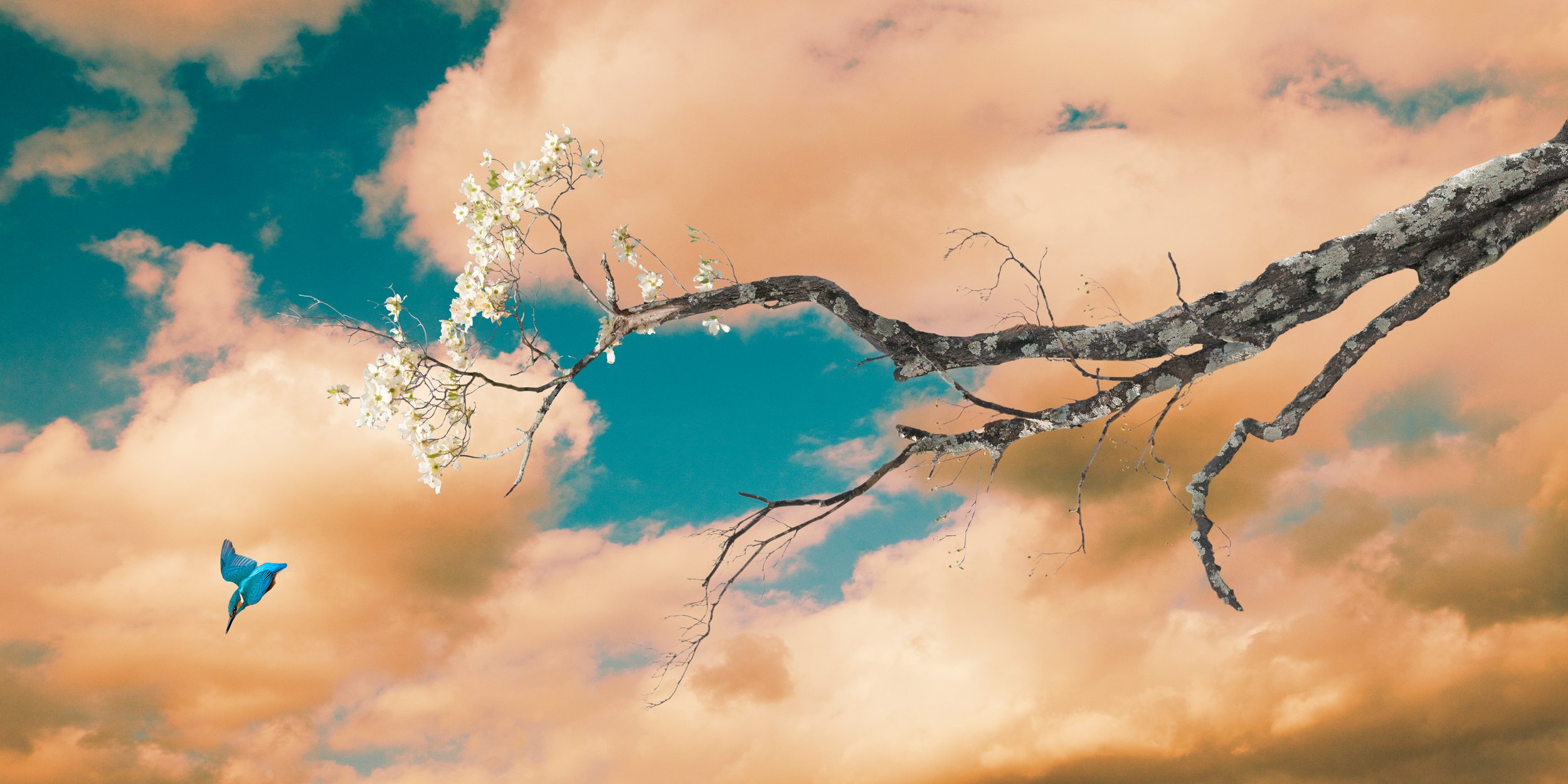
Untitled Sovereign Series (Kingfisher) digital C print 2009 (light box 2008)
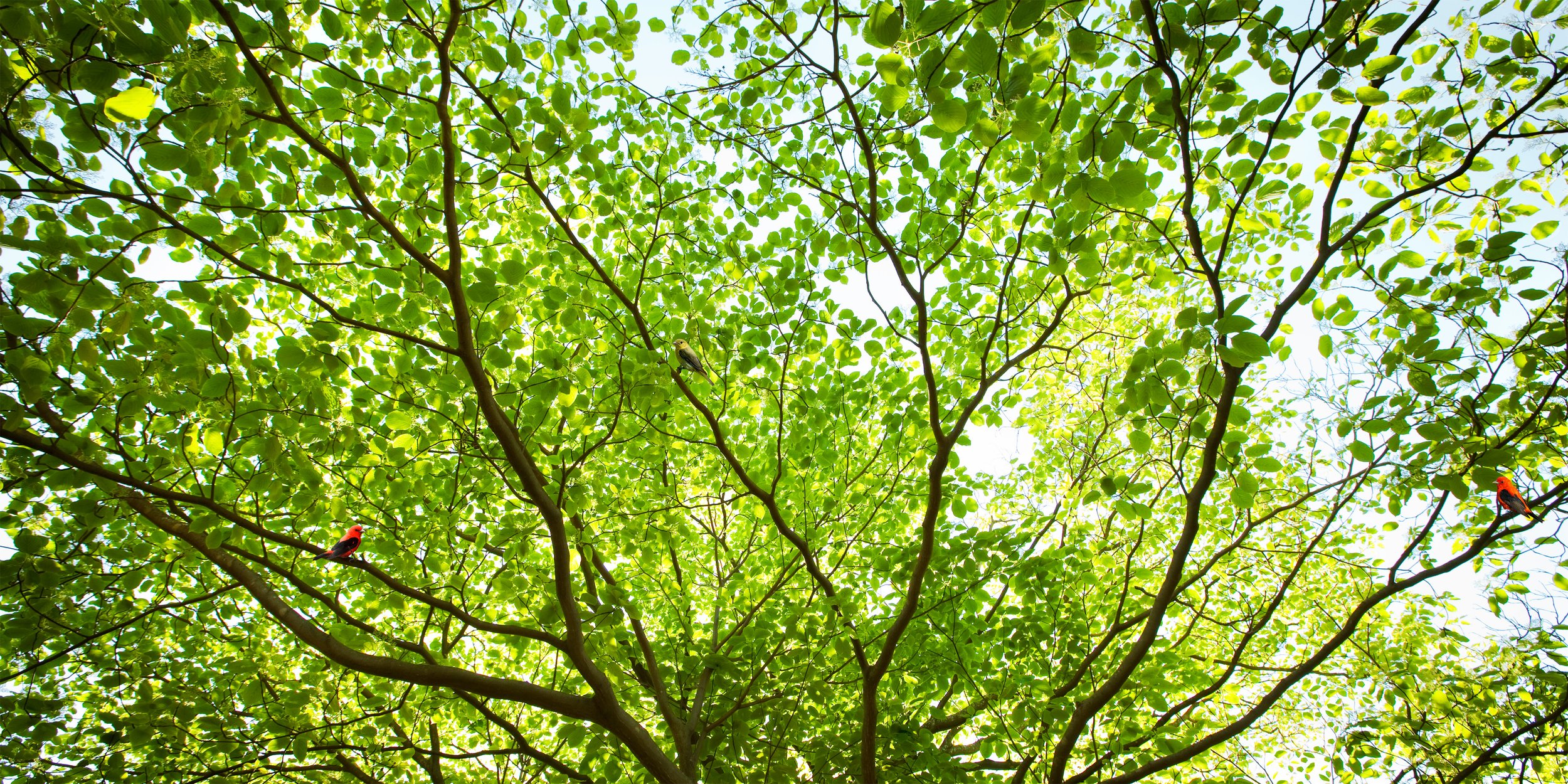
Untitled Sovereign Series (green (leafy branch)) digital C print 2009 (light box 2008)
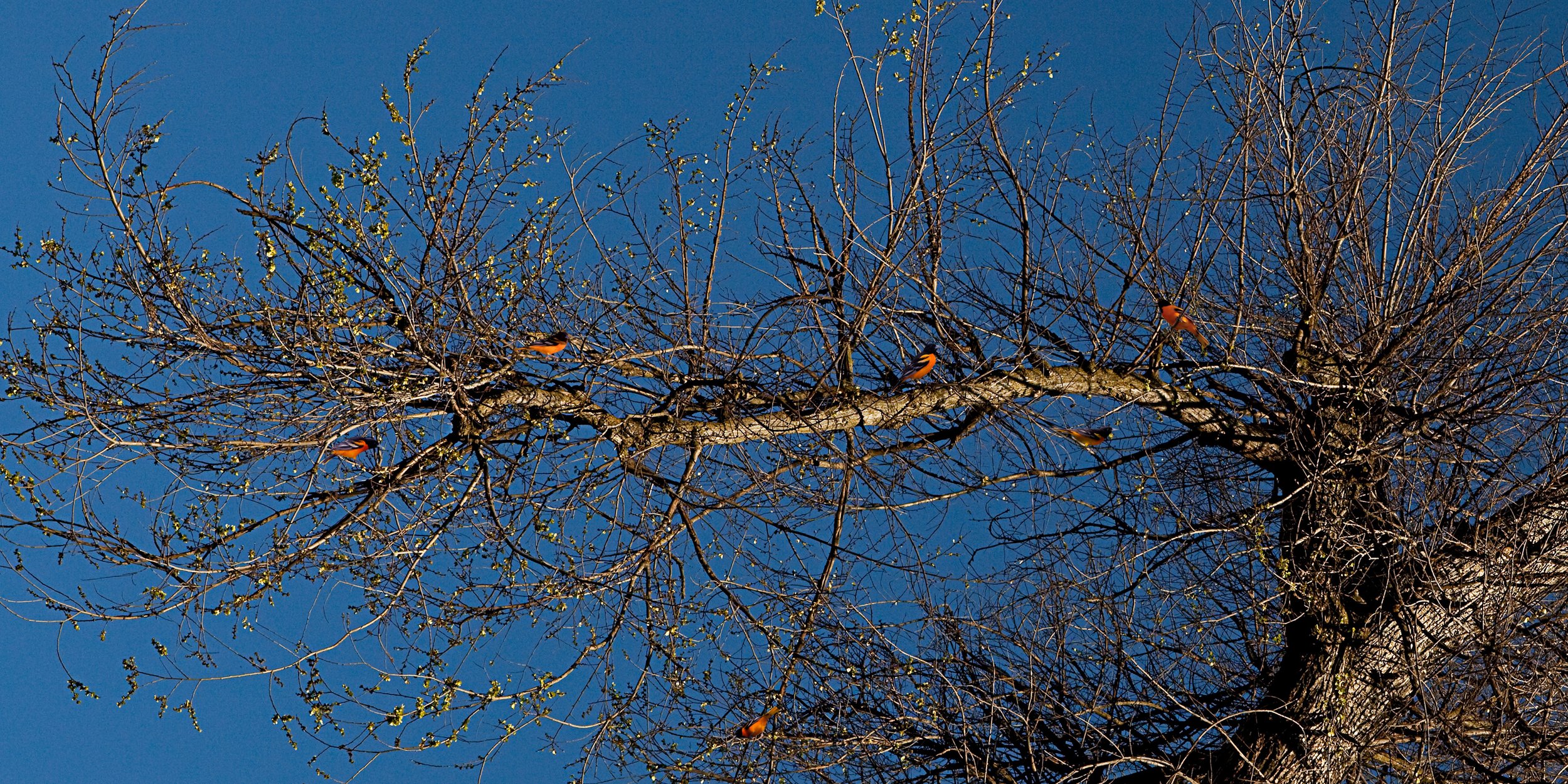
Untitled Sovereign Series (Orioles Branch) digital C print 2009 (light box 2008)
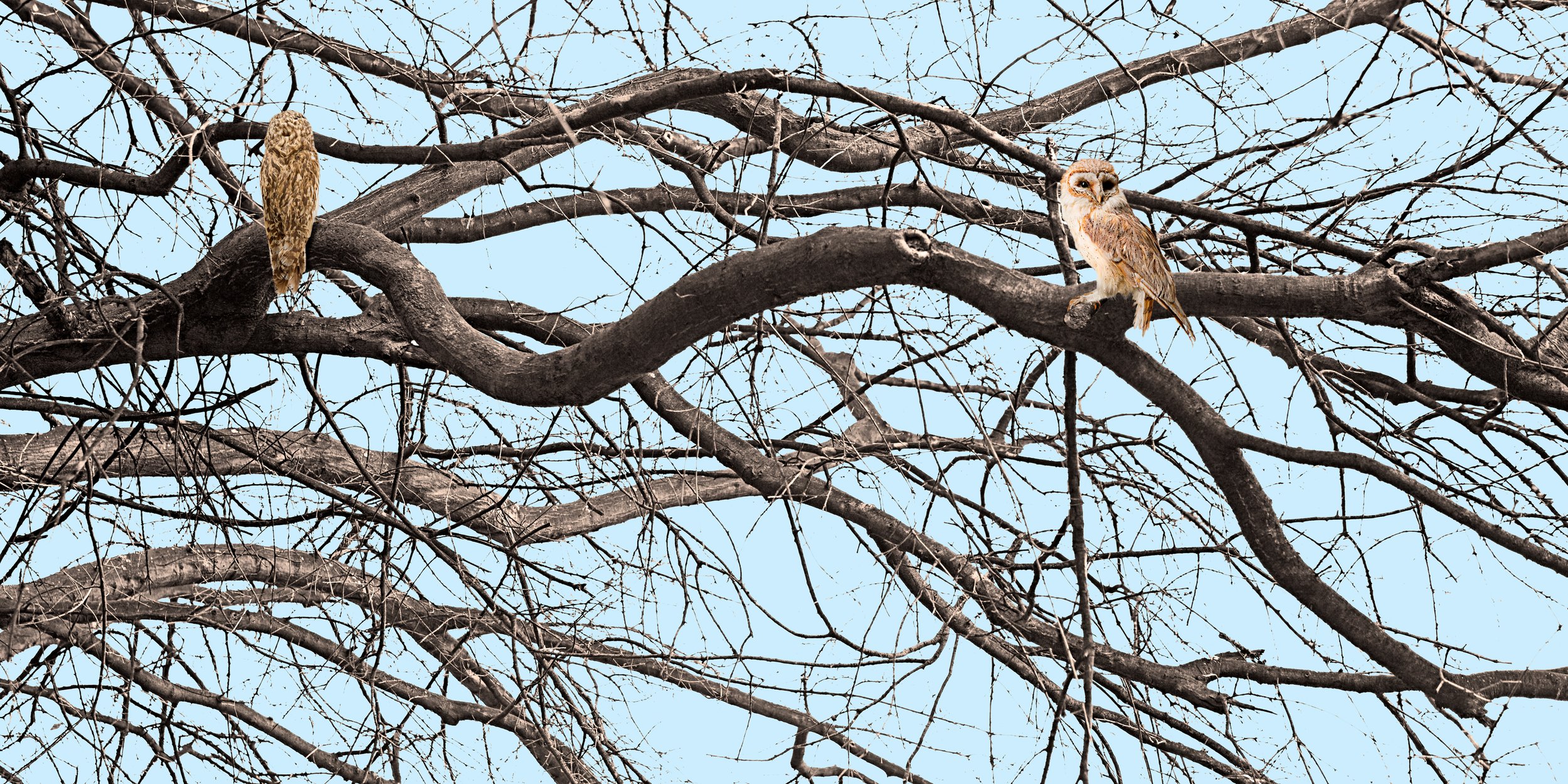
Untitled Sovereign Series (Owls Branch) digital C print 2009 (light box 2008)
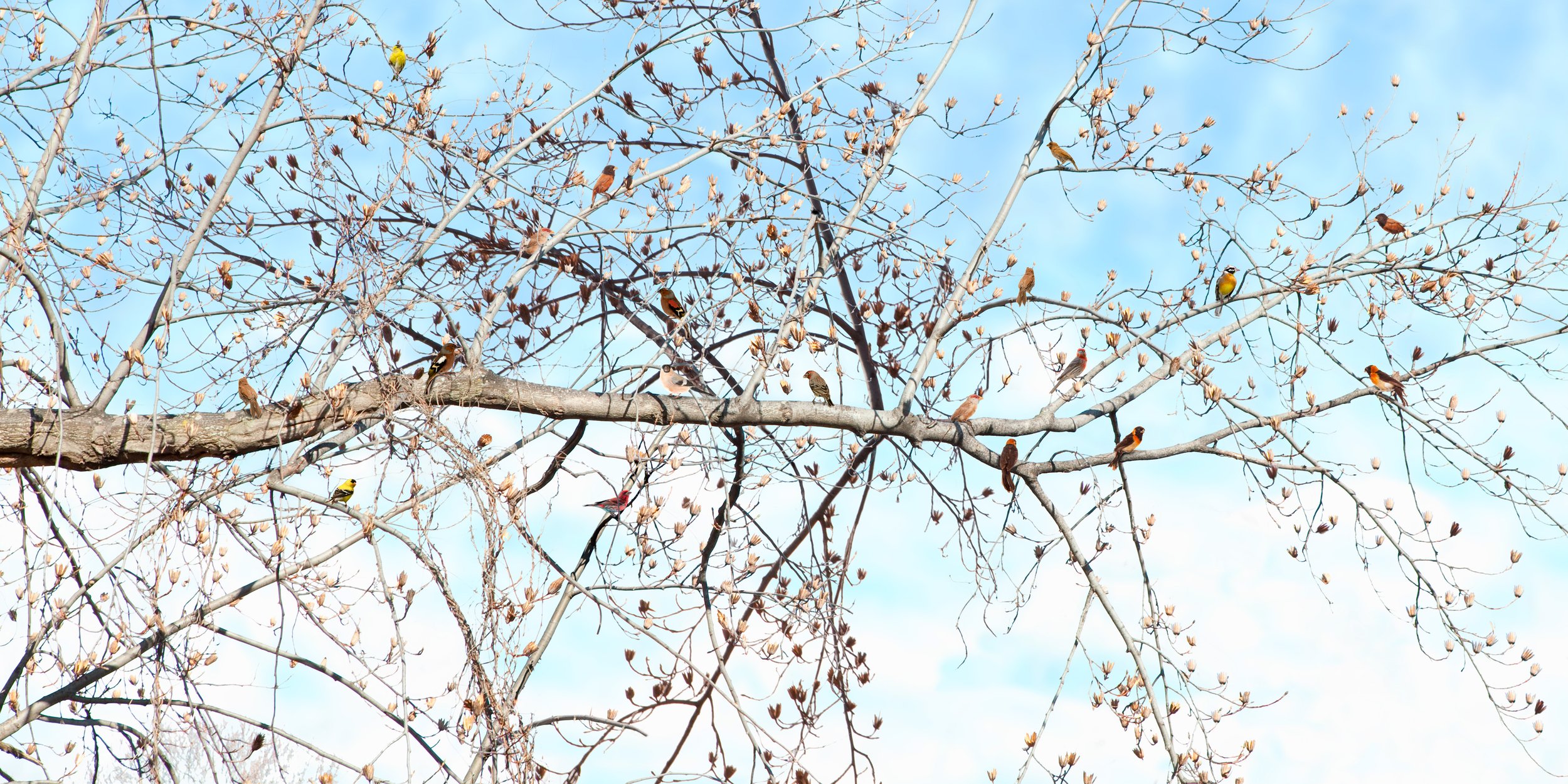
Untitled Sovereign Series (Poplar Branch) digital C print 2009 (light box 2008)
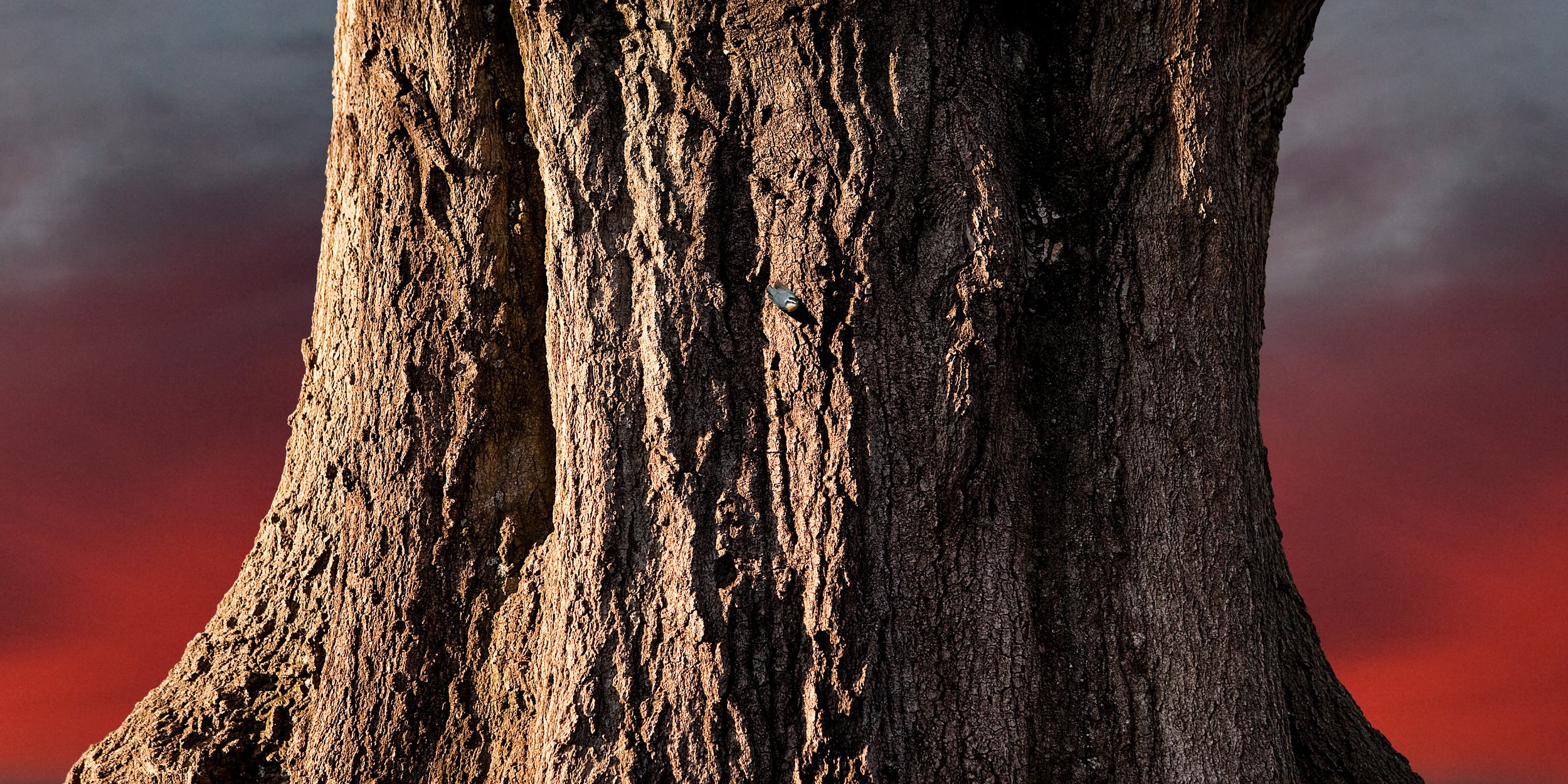
Untitled Sovereign Series (nuthatch trunk) digital C print 2009 (light box 2008)
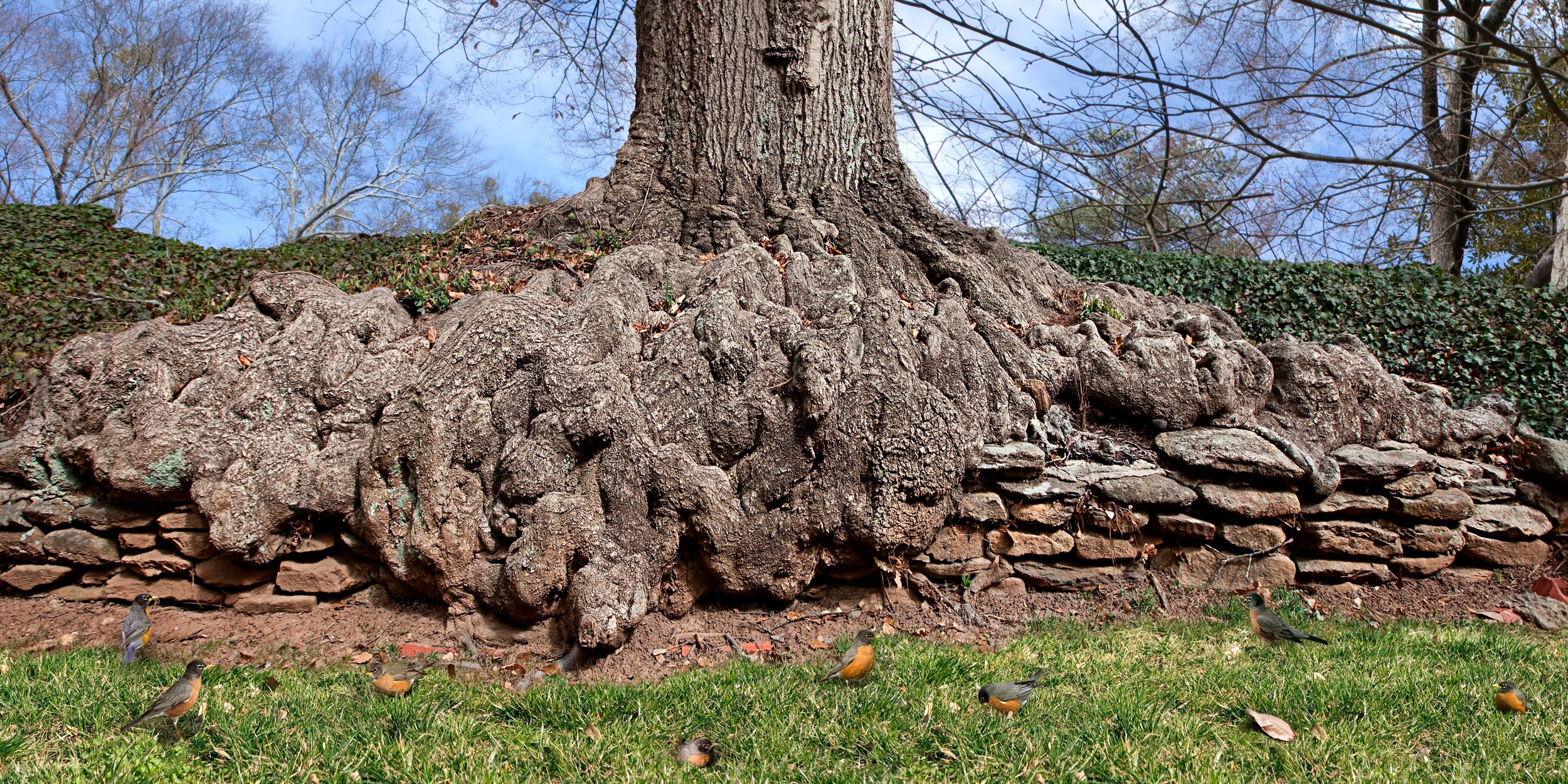
Untitled Sovereign Series (Trunk) digital C print 2009 (light box 2008)
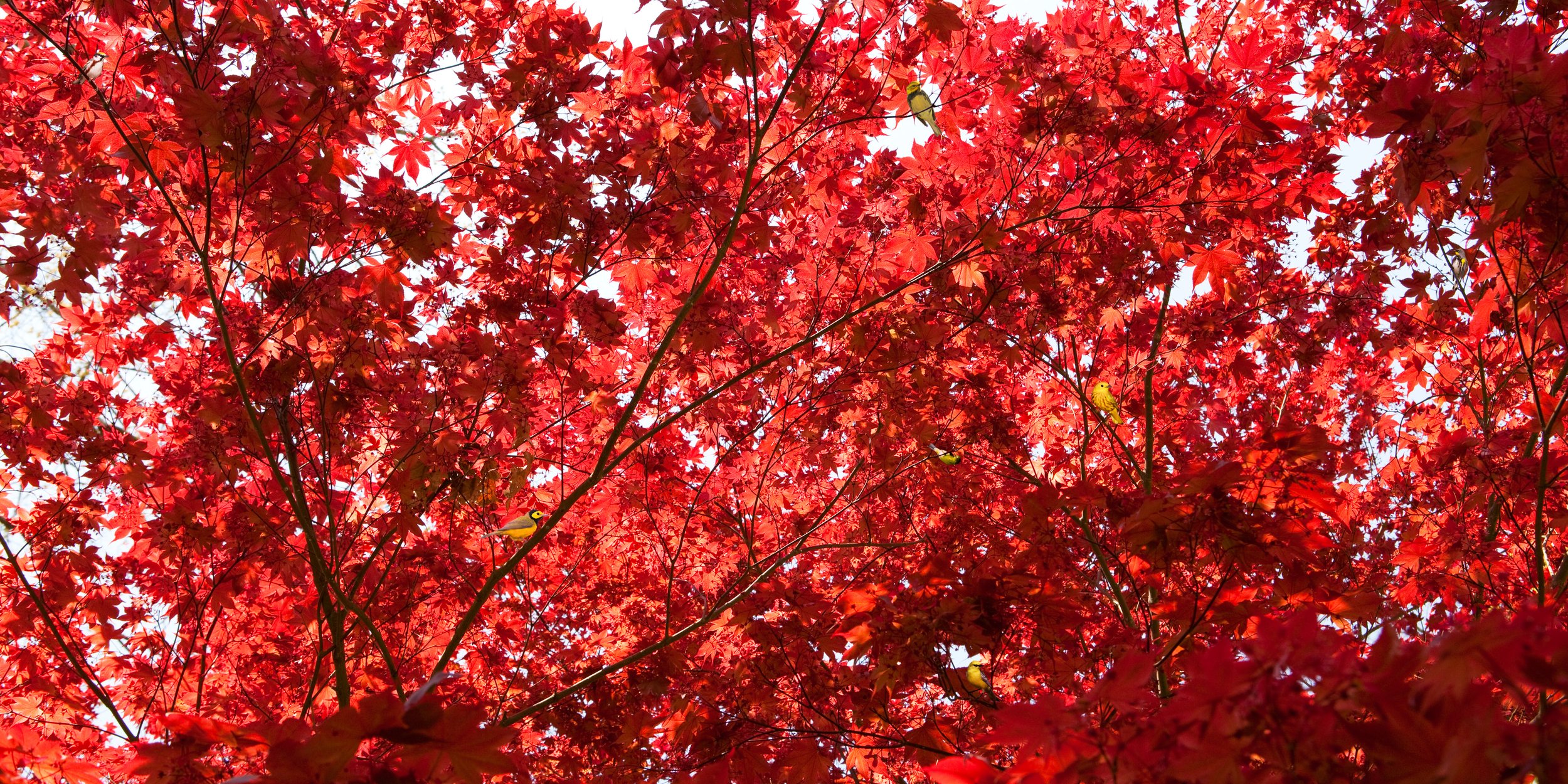
Untitled Sovereign Series (Warblers Branch) digital C print 2009 (light box 2008)
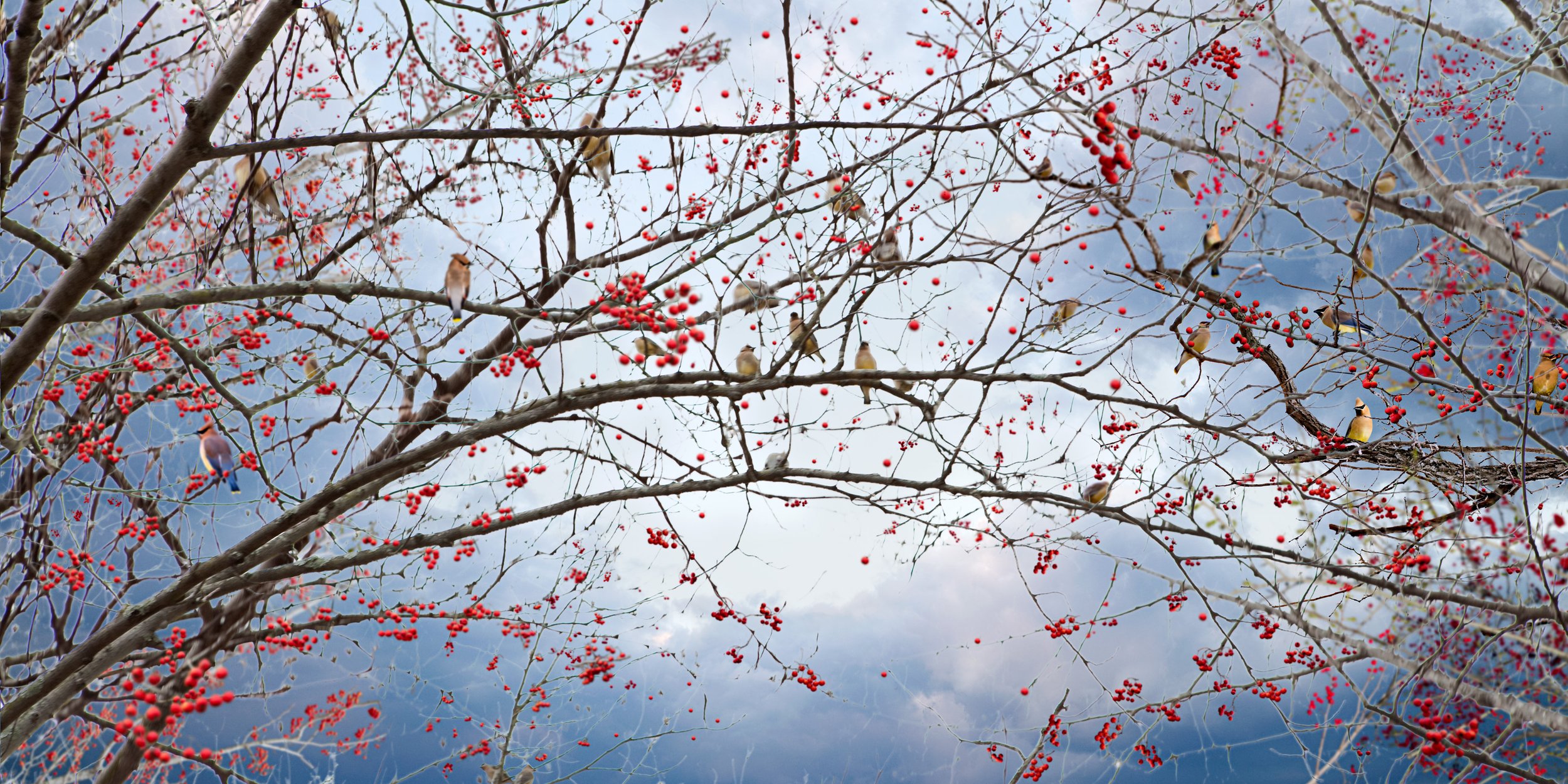
Untitled Sovereign Series (Berries Branch) digital C print 2009 (light box 2008)
-
A photographer, like all artists, is at liberty to employ what means he thinks necessary to carry out his ideas. If a picture cannot be produced by one negative, let him have two or ten; but let it be clearly understood, that these are only means to the end, and that the picture when finished must stand or fall entirely by the effects produced, and not by the means employed. 8
By Robert A. Sobieszek
Composite Imagery and the Origins of Photomontage, Part 1: The Naturalistic Strain ArtForum, 1973
-
To show the plasticity of photography, . . . and to prove that you are not, by my way of proceeding, confined to one plane, but may place figures and objects at any distances, as clear and distinct as they relatively ought to be.
Rejlander
COMPOSITE IMAGERY AND THE ORIGINS OF PHOTOMONTAGE, PART I: THE NATURALISTIC STRAIN (Art Forum, 1973)
By Robert A. Sobieszek
-
Basically, photomontage is the fabrication of a composite but single image made up of a number of distinct photographic parts. It “results from the association of photographic elements, which have diverse origins, natures and proportions, combined in such a way as to express with force a particular idea.”
COMPOSITE IMAGERY AND THE ORIGINS OF PHOTOMONTAGE, PART I: THE NATURALISTIC STRAIN (Art Forum, 1973)
By Robert A. Sobieszek
-
there are references to Hippolyte Bayard’s method, as early as 1851, in Paris, of double-printing clouds into an otherwise blank sky, to a German composite photograph made in 1854, and to well-known double-printed sky- and sea-scapes by Gustave LeGray, made in the middle 1850s.24
COMPOSITE IMAGERY AND THE ORIGINS OF PHOTOMONTAGE, PART I: THE NATURALISTIC STRAIN (Art Forum, 1973)
By Robert A. Sobieszek
-
Nearly every landscape photographer during the 19th century used this method at one time or another, including such “straight” photographers as Eadweard Muybridge and Peter Henry Emerson.
COMPOSITE IMAGERY AND THE ORIGINS OF PHOTOMONTAGE, PART I: THE NATURALISTIC STRAIN (Art Forum, 1973)
By Robert A. Sobieszek
-
The notion that photography is completely dependent upon what appears before the camera by chance—a position held by many 19th-century critics—is thrown into serious doubt by the sheer nature of composite photography.
COMPOSITE IMAGERY AND THE ORIGINS OF PHOTOMONTAGE, PART I: THE NATURALISTIC STRAIN (Art Forum, 1973)
By Robert A. Sobieszek
-
But the scope of photography is wider than those who have only taken a simple portrait or landscape suppose. It is almost impossible to design a group that could not have been reproduced from life by the means our art places at our disposal. We do not mean to assert that such subjects as Michael Angelo’s Last Judgment, or Raphael’s Transfiguration, for instance, have ever been done in photography; but it is not so much the fault of the art, as of the artists, that very elaborate pictures have not been successfully attempted. (31)
COMPOSITE IMAGERY AND THE ORIGINS OF PHOTOMONTAGE, PART I: THE NATURALISTIC STRAIN (Art Forum, 1973)
By Robert A. Sobieszek
-
The fault is not in the materials but in the lack of skill or courage of the photographer. The process by which a truly skillful picture-maker could create such elaborate compositions was combination printing, or composite photography.
COMPOSITE IMAGERY AND THE ORIGINS OF PHOTOMONTAGE, PART I: THE NATURALISTIC STRAIN (Art Forum, 1973)
By Robert A. Sobieszek
-
TECHNOLOGY and ART, a new Renaissance in contemporary culture; driven by the Internet and emerging technologies. An evolutionary shift toward bits and pixels as our primary modes of communication, in the future it will be the ability to see, not to manipulate abstract symbols, that will matter most. Science has returned to art.
Todd Murphy, 1999
-
But the scope of photography is wider than those who have only taken a simple portrait or landscape suppose. It is almost impossible to design a group that could not have been reproduced from life by the means our art places at our disposal. We do not mean to assert that such subjects as Michael Angelo’s Last Judgment, or Raphael’s Transfiguration, for instance, have ever been done in photography; but it is not so much the fault of the art, as of the artists, that very elaborate pictures have not been successfully attempted. (31)
By Robert A. Sobieszek
Composite Imagery and the Origins of Photomontage, Part 1: The Naturalistic Strain ArtForum, 1973
-
To show the plasticity of photography, . . . and to prove that you are not, by my way of proceeding, confined to one plane, but may place figures and objects at any distances, as clear and distinct as they relatively ought to be.
Rejlander
COMPOSITE IMAGERY AND THE ORIGINS OF PHOTOMONTAGE, PART I: THE NATURALISTIC STRAIN (Art Forum, 1973)
By Robert A. Sobieszek
-
Basically, photomontage is the fabrication of a composite but single image made up of a number of distinct photographic parts. It “results from the association of photographic elements, which have diverse origins, natures and proportions, combined in such a way as to express with force a particular idea.”
COMPOSITE IMAGERY AND THE ORIGINS OF PHOTOMONTAGE, PART I: THE NATURALISTIC STRAIN (Art Forum, 1973)
By Robert A. Sobieszek
-
A photographer, like all artists, is at liberty to employ what means he thinks necessary to carry out his ideas. If a picture cannot be produced by one negative, let him have two or ten; but let it be clearly understood, that these are only means to the end, and that the picture when finished must stand or fall entirely by the effects produced, and not by the means employed. 8
COMPOSITE IMAGERY AND THE ORIGINS OF PHOTOMONTAGE, PART I: THE NATURALISTIC STRAIN (Art Forum, 1973)
By Robert A. Sobieszek
-
there are references to Hippolyte Bayard’s method, as early as 1851, in Paris, of double-printing clouds into an otherwise blank sky, to a German composite photograph made in 1854, and to well-known double-printed sky- and sea-scapes by Gustave LeGray, made in the middle 1850s.24
COMPOSITE IMAGERY AND THE ORIGINS OF PHOTOMONTAGE, PART I: THE NATURALISTIC STRAIN (Art Forum, 1973)
By Robert A. Sobieszek
-
Nearly every landscape photographer during the 19th century used this method at one time or another, including such “straight” photographers as Eadweard Muybridge and Peter Henry Emerson.
COMPOSITE IMAGERY AND THE ORIGINS OF PHOTOMONTAGE, PART I: THE NATURALISTIC STRAIN (Art Forum, 1973)
By Robert A. Sobieszek
-
The notion that photography is completely dependent upon what appears before the camera by chance—a position held by many 19th-century critics—is thrown into serious doubt by the sheer nature of composite photography.
COMPOSITE IMAGERY AND THE ORIGINS OF PHOTOMONTAGE, PART I: THE NATURALISTIC STRAIN (Art Forum, 1973)
By Robert A. Sobieszek
-
The fault is not in the materials but in the lack of skill or courage of the photographer. The process by which a truly skillful picture-maker could create such elaborate compositions was combination printing, or composite photography.
COMPOSITE IMAGERY AND THE ORIGINS OF PHOTOMONTAGE, PART I: THE NATURALISTIC STRAIN (Art Forum, 1973)
By Robert A. Sobieszek
-
TECHNOLOGY and ART, a new Renaissance in contemporary culture; driven by the Internet and emerging technologies. An evolutionary shift toward bits and pixels as our primary modes of communication, in the future it will be the ability to see, not to manipulate abstract symbols, that will matter most. Science has returned to art.
Todd Murphy, 1999
-
there are references to Hippolyte Bayard’s method, as early as 1851, in Paris, of double-printing clouds into an otherwise blank sky, to a German composite photograph made in 1854, and to well-known double-printed sky- and sea-scapes by Gustave LeGray, made in the middle 1850s.24
COMPOSITE IMAGERY AND THE ORIGINS OF PHOTOMONTAGE, PART I: THE NATURALISTIC STRAIN (Art Forum, 1973)
By Robert A. Sobieszek
-
The notion that photography is completely dependent upon what appears before the camera by chance—a position held by many 19th-century critics—is thrown into serious doubt by the sheer nature of composite photography.
By Robert A. Sobieszek
Composite Imagery and the Origins of Photomontage, Part 1: The Naturalistic Strain ArtForum, 1973
-
But the scope of photography is wider than those who have only taken a simple portrait or landscape suppose. It is almost impossible to design a group that could not have been reproduced from life by the means our art places at our disposal. We do not mean to assert that such subjects as Michael Angelo’s Last Judgment, or Raphael’s Transfiguration, for instance, have ever been done in photography; but it is not so much the fault of the art, as of the artists, that very elaborate pictures have not been successfully attempted. (31)
COMPOSITE IMAGERY AND THE ORIGINS OF PHOTOMONTAGE, PART I: THE NATURALISTIC STRAIN (Art Forum, 1973)
By Robert A. Sobieszek
-
To show the plasticity of photography, . . . and to prove that you are not, by my way of proceeding, confined to one plane, but may place figures and objects at any distances, as clear and distinct as they relatively ought to be.
Rejlander
COMPOSITE IMAGERY AND THE ORIGINS OF PHOTOMONTAGE, PART I: THE NATURALISTIC STRAIN (Art Forum, 1973)
By Robert A. Sobieszek
-
Basically, photomontage is the fabrication of a composite but single image made up of a number of distinct photographic parts. It “results from the association of photographic elements, which have diverse origins, natures and proportions, combined in such a way as to express with force a particular idea.”
COMPOSITE IMAGERY AND THE ORIGINS OF PHOTOMONTAGE, PART I: THE NATURALISTIC STRAIN (Art Forum, 1973)
By Robert A. Sobieszek
-
A photographer, like all artists, is at liberty to employ what means he thinks necessary to carry out his ideas. If a picture cannot be produced by one negative, let him have two or ten; but let it be clearly understood, that these are only means to the end, and that the picture when finished must stand or fall entirely by the effects produced, and not by the means employed. 8
COMPOSITE IMAGERY AND THE ORIGINS OF PHOTOMONTAGE, PART I: THE NATURALISTIC STRAIN (Art Forum, 1973)
By Robert A. Sobieszek
-
Nearly every landscape photographer during the 19th century used this method at one time or another, including such “straight” photographers as Eadweard Muybridge and Peter Henry Emerson.
COMPOSITE IMAGERY AND THE ORIGINS OF PHOTOMONTAGE, PART I: THE NATURALISTIC STRAIN (Art Forum, 1973)
By Robert A. Sobieszek
-
The fault is not in the materials but in the lack of skill or courage of the photographer. The process by which a truly skillful picture-maker could create such elaborate compositions was combination printing, or composite photography.
COMPOSITE IMAGERY AND THE ORIGINS OF PHOTOMONTAGE, PART I: THE NATURALISTIC STRAIN (Art Forum, 1973)
By Robert A. Sobieszek
-
TECHNOLOGY and ART, a new Renaissance in contemporary culture; driven by the Internet and emerging technologies. An evolutionary shift toward bits and pixels as our primary modes of communication, in the future it will be the ability to see, not to manipulate abstract symbols, that will matter most. Science has returned to art.
Todd Murphy, 1999
-
Wink, 2019
Todd Murphy (1962-2020)
-
Murphy’s fixation on racism and the misuse of science, manifested since early in his career, proved not simply precocious, but prescient:
PETER FRANK
TODD MURPHY: BREADTH OF A POET
Los Angeles 2022
-
Ultimately, what distinguishes Murphy from most of his American contemporaries is his commitment to the human- not the American—condition.
Bradford R. Collins
Todd Murphy's Heroic Subjectivism
McKissick Museum Catalog, Columbia, SC, January 13, 1991